
Deliberative conversation · Phase 1 · December 2024
Bora kazi au kazi bora?
Any job, or a good job? zKe asked young Kenyans whether they are prepared for the job market, and what would tackle youth unemployment.
WhenDecember 2024
Wherepol.is, an X Space on Jamhuri Day and youth barazas
At a glance
The conversation in numbers
69
people took part on pol.is
861
votes cast
53
statements written by participants
65%
of those who answered said they are Gen Z (22 of 34)
Source: pol.is, conversation 5dshfk7mmv. Fewer people joined this conversation than the others, which zKe read as a sign it did not get much traction online.
Background
A crisis for young people
zKe’s December 2024 report put youth unemployment at 17.7%, against 7.4% overall, with many more young people underemployed or unable to find meaningful work. COVID-19 made it worse, with job losses that hit young people hardest.
A growing population
More young people every year, and not enough new jobs.
Skills
Many young people are not learning the skills employers need.
Funding
Strict loan requirements make it hard for young entrepreneurs to raise money.
Informal work
Most jobs are informal, without security or benefits.
Limited budgets
Government has little money for large job programmes.
Delivery
Policies exist but are not always well run or coordinated.
What young people agreed on
Kazi bora: dignified work
These statements had the highest group-informed consensus, across all three opinion groups.
The most agreed statements, in participants’ own words
“People should be able to do jobs that they love and are passionate about.”
96% agreed · 0% disagreed · 27 people voted
“Ideally, if there could be standards, body of ethics, employment done on rollout basis and not who knows who, then Kazi bora would work.”
100% agreed · 0% disagreed · 21 people voted
“Due to corruption unqualified workers get job leaving the qualified jobless.”
100% agreed · 0% disagreed · 18 people voted
“Kazi bora. We deserve good jobs. Most Kenyans are prepared for the job market but corruption deprives us of opportunities to showcase that.”
91% agreed · 5% disagreed · 22 people voted
“KAZI Bora, stability, the high cost of living. Dignified jobs matching skills are important. job security, meet basic needs enable savings.”
94% agreed · 6% disagreed · 18 people voted
Source: pol.is conversation 5dshfk7mmv, 69 participants.
How pol.is works
On pol.is, people write short statements in answer to the question and vote agree, disagree or pass on statements written by others. pol.is then groups people who vote in similar ways, so we can see both what most people agree on and where opinions divide.
A statement with high “group-informed consensus” is one that people agree on even when they disagree on other things. A divisive statement has strong support in one group and strong opposition in another. Percentages on this page are of the people who voted on each statement; the rest passed.
Where views split
Any job that pays?
“Bora Kazi: I went to school to study and get a job but there are no jobs in Kenya so if I get any job I will do it as long as it pays me even if its peanuts and it is not illegal.”
Source: pol.is conversation 5dshfk7mmv. Share of each group who voted on the statement. Group C had only five people.
The split was over survival. Some young people said they would take any legal job that pays, because the bills must be paid; others held out for dignified, stable work that matches their skills.
Offline and on air
Barazas and an X Space on Jamhuri Day
“We as the youth feel like politicians and the government is not managing the unemployment crisis so that people remain dependent on them and therefore continue voting for them.”
Youth baraza participant
“Education is so expensive, making it hard for youth to empower themselves to be prepared for the job market.”
Youth baraza participant
Swipe or scroll sideways to see the barazas. Tap a photo to enlarge it.
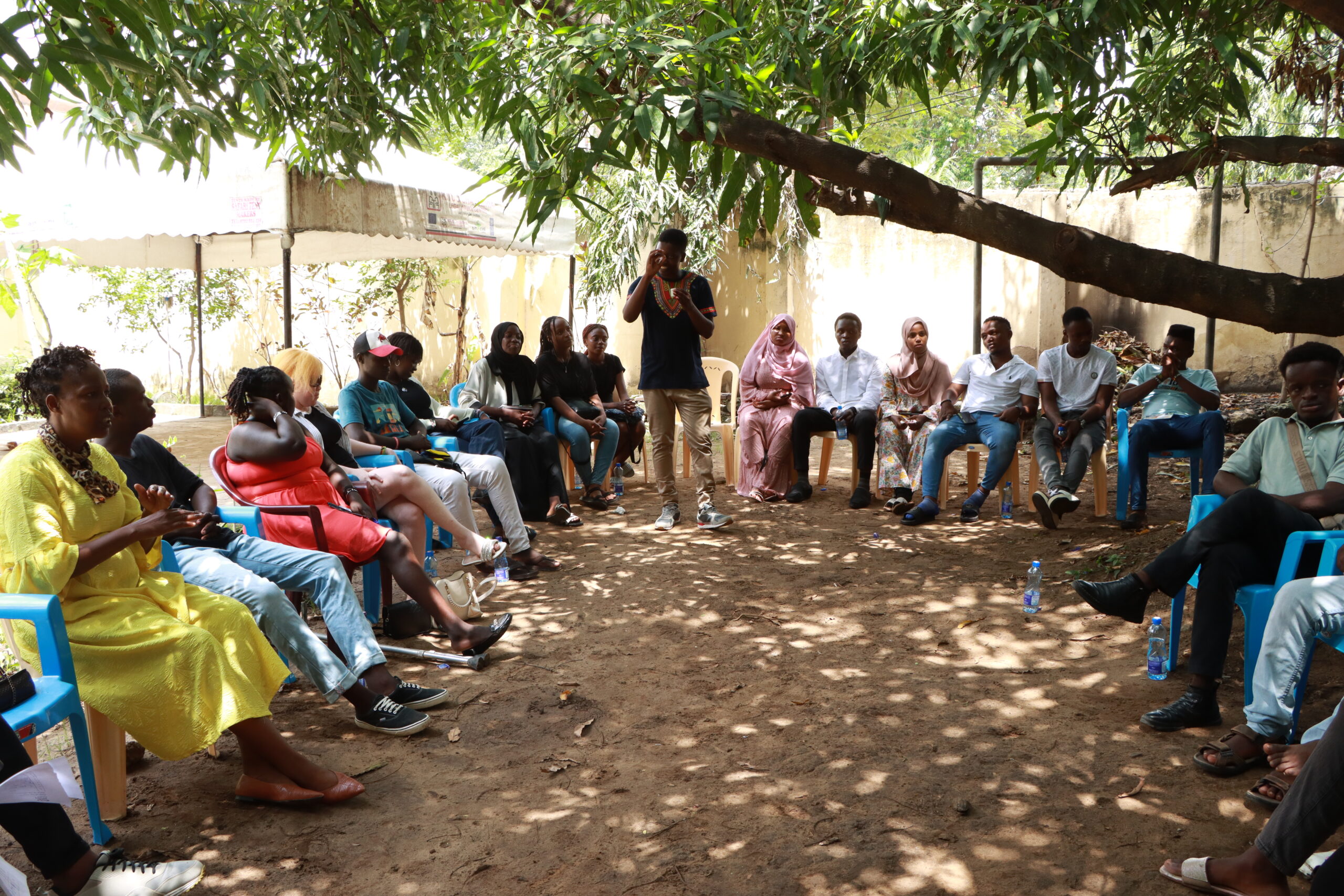
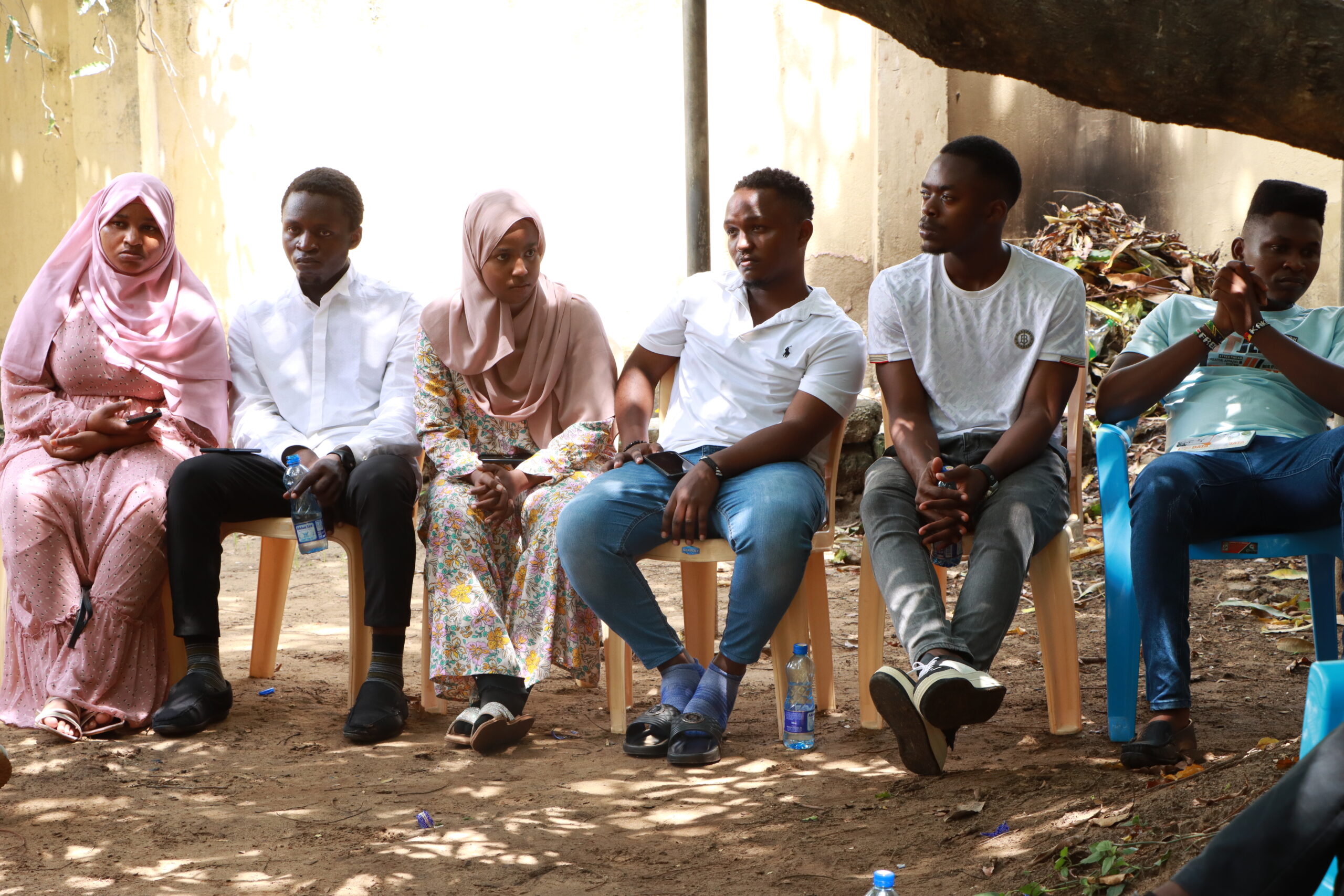
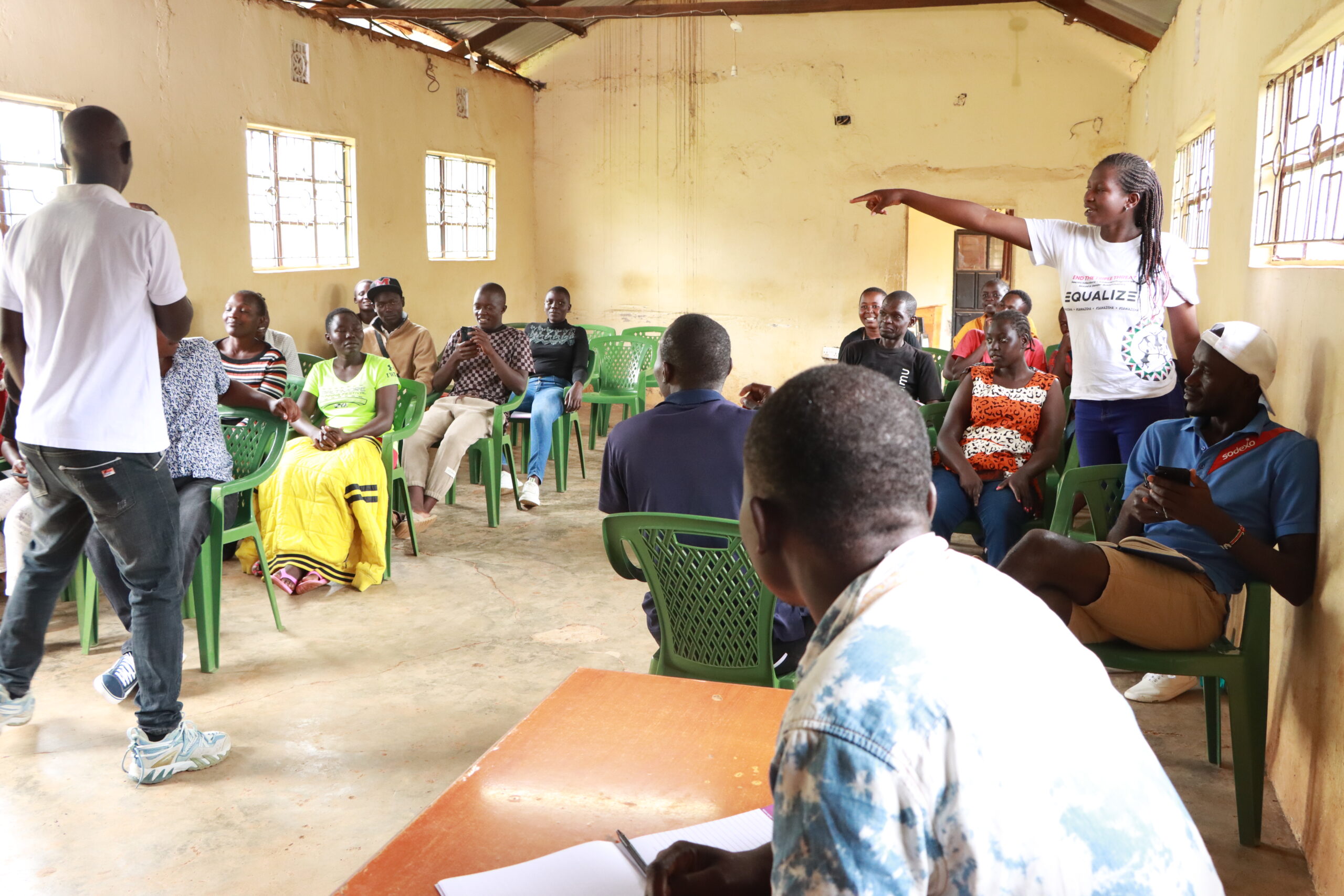
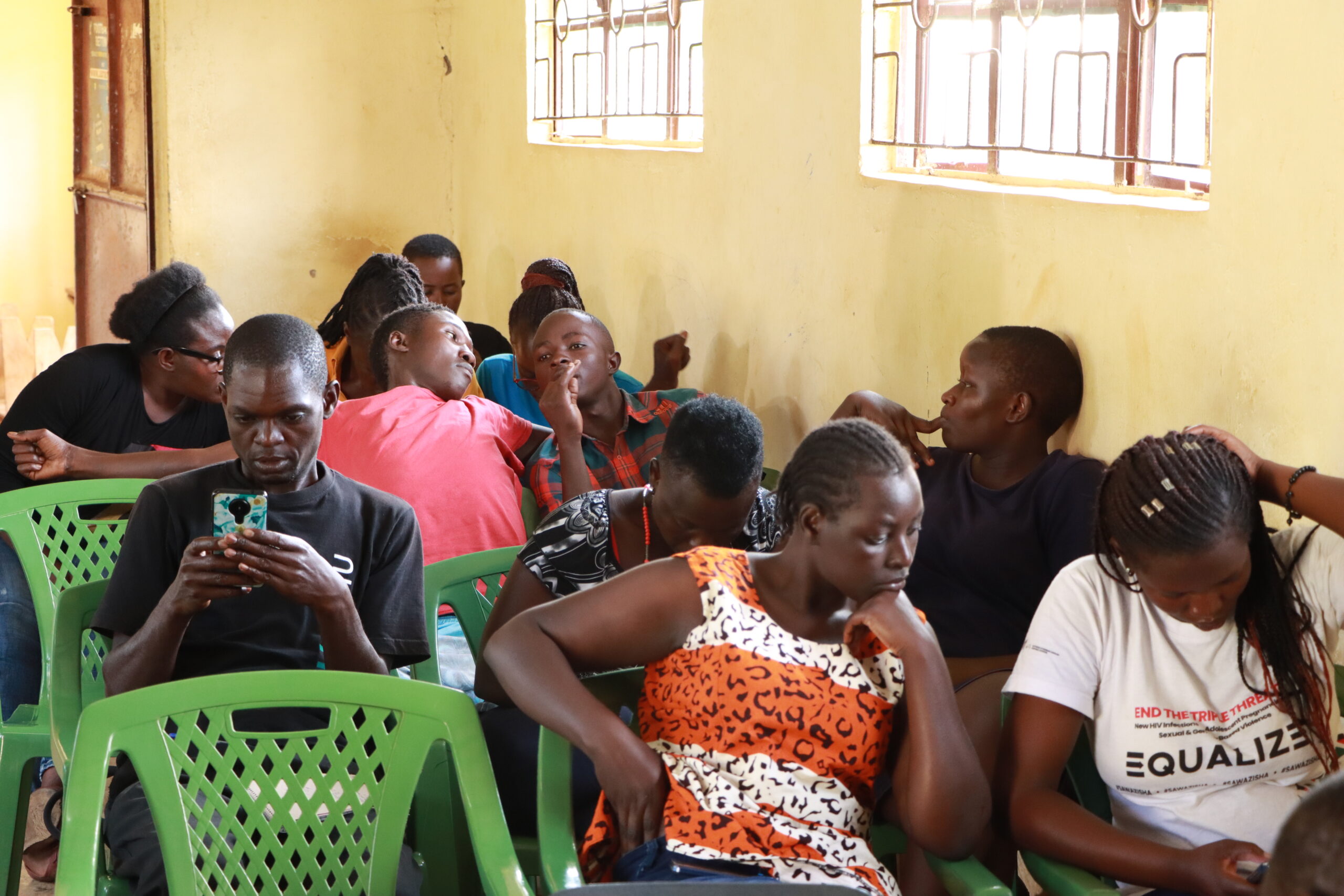
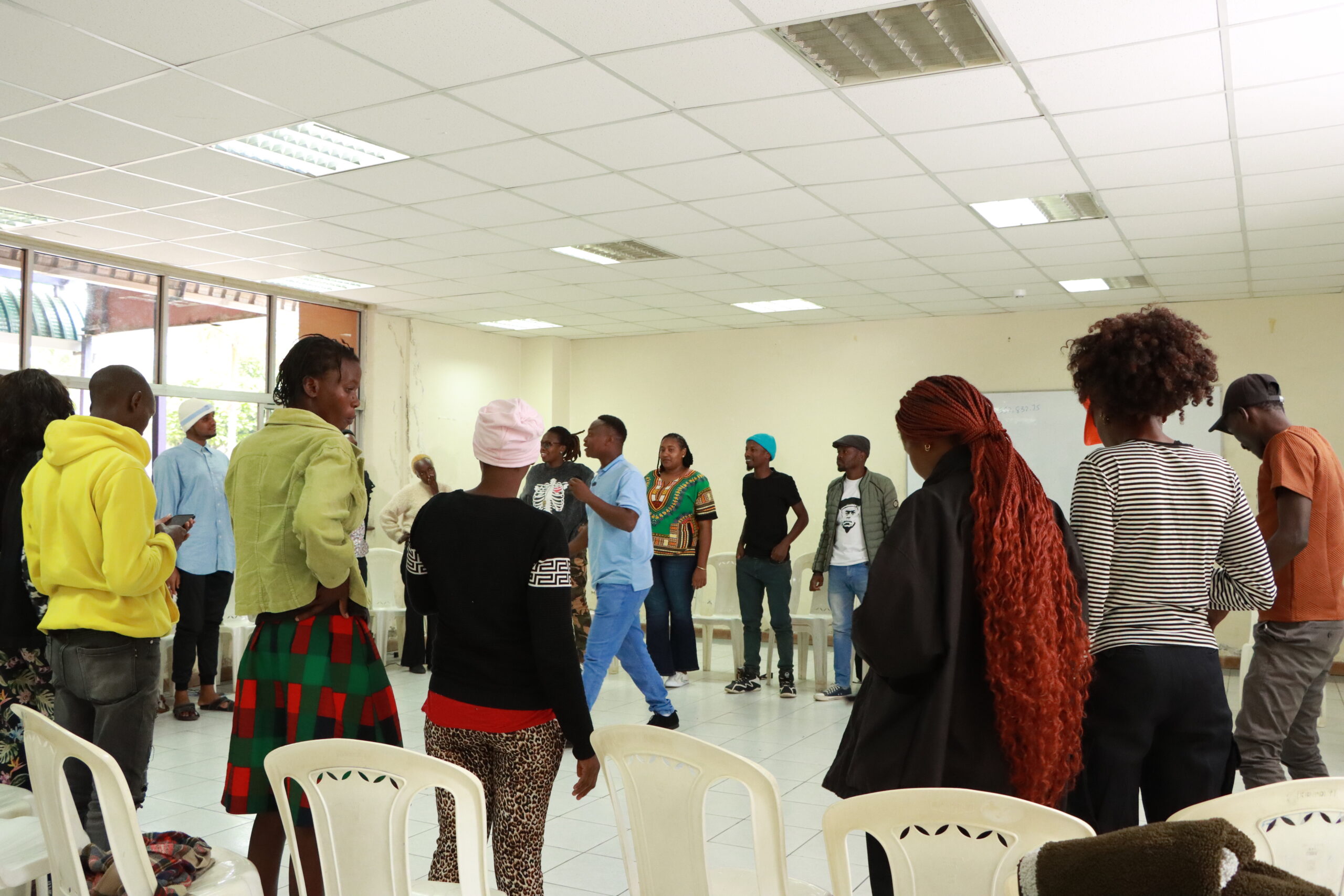
On Jamhuri Day, 12 December 2024, zKe hosted the X Space “Bora Kazi or Kazi Bora?”, led by the civic educator Okoth Opondo. Speakers named the barriers: no identity documents, systemic inequality, few openings, and a lack of government accountability and transparency about employment figures. The debate between any job and quality jobs kept returning to whether education prepares people for work. Proposed solutions included civic education, involving young people in governance and budgeting, and long-term plans for job creation.
See the conversation
The pol.is conversation shows the statements young people wrote and how they voted.
Keep reading
More conversations
October 30, 2026
How to reduce unemployment in Kisumu County
Deliberative conversation · Open now · October 2026 How to reduce unemployment in Kisumu County “What actions do you think Kisumu County government should…
Read more
October 28, 2026
Livestreaming the 2027 election results
Deliberative conversation · Open now · October 2026 Should IEBC continue livestreaming election results? “Should results from every polling station be livestreamed in the…
Read more
October 23, 2026
Solutions to flooding in Nairobi
Deliberative conversation · Open now · October 2026 Solutions to flooding in Nairobi “To stop Nairobi’s recurrent flooding, what priority step or rule should…
Read more