
Deliberative conversation · Phase 1 · November 2024
Kenya’s education crisis
“What changes would you like to see in the education sector to address the current education crisis?” Education was the issue young Kenyans most wanted to discuss, so it became zKe’s first national conversation.
When9 to 19 November 2024
Wherepol.is, X, Spice FM and youth barazas
LanguageEnglish and Kiswahili
At a glance
The conversation in numbers
112
people took part on pol.is
2,380
votes cast
45
statements written by participants
59%
of those who answered said they are Gen Z (55 of 93)
Source: pol.is, conversation 4xdxjc3fhc. The consultation was shared on zKe’s social media channels and through the zKe WhatsApp bot.
Background
Why education
When zKe asked young Kenyans which issue bothers them most, education came out far ahead: 434 of more than 500 answers. See how the topics were chosen.
Kenya’s education system faces serious strain: the Competency-Based Curriculum (CBC) has been rolled out with too little teacher training, too few resources and gaps in infrastructure. Funding shortages leave public schools overcrowded, and low-income families and girls are hit hardest.
Funding
Public schools do not have enough money, so classrooms are overcrowded and short of basic learning materials.
Teachers
There are not enough trained teachers to manage the new curriculum’s demands.
Facilities
Many schools lack classrooms and proper equipment.
Delays
Delays in rolling out changes have confused and disrupted students and teachers.
Equity
Resources are not shared equally, so students in poorer communities have fewer chances of a good education.
What young people agreed on
Affordable, accessible and future-ready
These five statements had the highest group-informed consensus: almost everyone who voted agreed, in both opinion groups.
The most agreed statements, in participants’ own words
“Education should be made affordable for everyone or even free since the Kenyans are taxed so so much”
98% agreed · 2% disagreed · 60 people voted
“Our Education should address the skills and opportunities that are needed not only today, but 10 years from now”
100% agreed · 0% disagreed · 58 people voted
“Digital skills to be included in the curriculum for learners to have upper hand experience in the working world”
98% agreed · 2% disagreed · 58 people voted
“Education should be accessible in all areas and part of the world…even in the most deserted and semi arid areas…and be affordable.”
100% agreed · 0% disagreed · 56 people voted
“The education should be easy to access , affordable and should give the learners the opportunity to express their views”
100% agreed · 0% disagreed · 54 people voted
Source: pol.is conversation 4xdxjc3fhc, 112 participants.
Most statements fell under four themes: affordable education for all; a wider range of skills taught in schools; access to education in every part of the country; and a comparison of the old 8-4-4 system with the CBC.
How pol.is works
On pol.is, people write short statements in answer to the question and vote agree, disagree or pass on statements written by others. pol.is then groups people who vote in similar ways, so we can see both what most people agree on and where opinions divide.
A statement with high “group-informed consensus” is one that people agree on even when they disagree on other things. A divisive statement has strong support in one group and strong opposition in another. Percentages on this page are of the people who voted on each statement; the rest passed.
Where views split
The CBC or 8-4-4?
“The government should revert back to the 8-4-4 system and do away with the CBC system that is causing confusion”
Source: pol.is conversation 4xdxjc3fhc. Share of each group who voted on the statement.
The two opinion groups pol.is found agreed on the need for affordable, accessible education, but split over the curriculum. Most of Group A wanted to return to 8-4-4; most of Group B disagreed. Another statement argued that practical and vocational skills, like farming or technical work, are worth more than the current schooling system.
Offline and on air
Barazas, radio and X
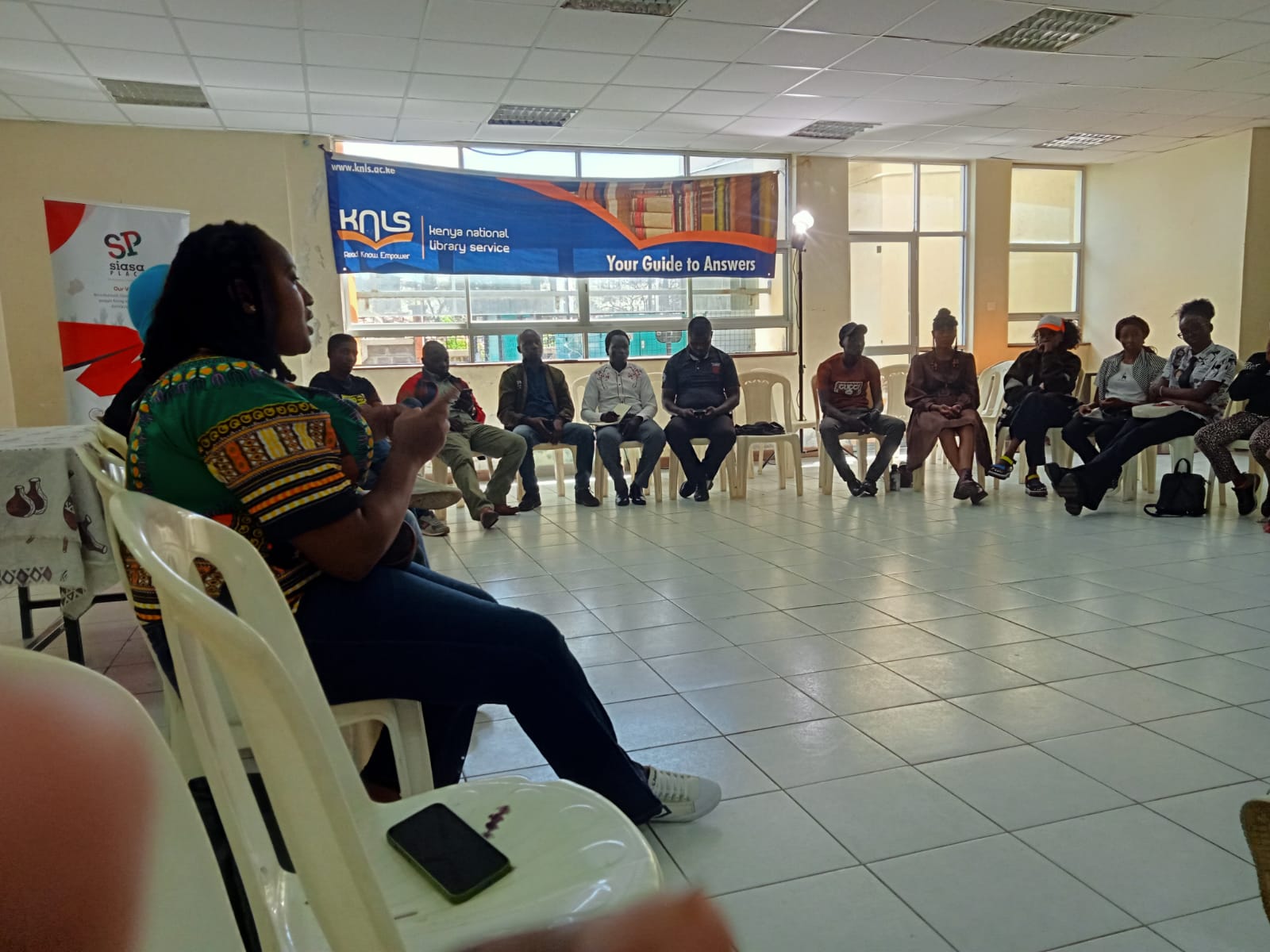
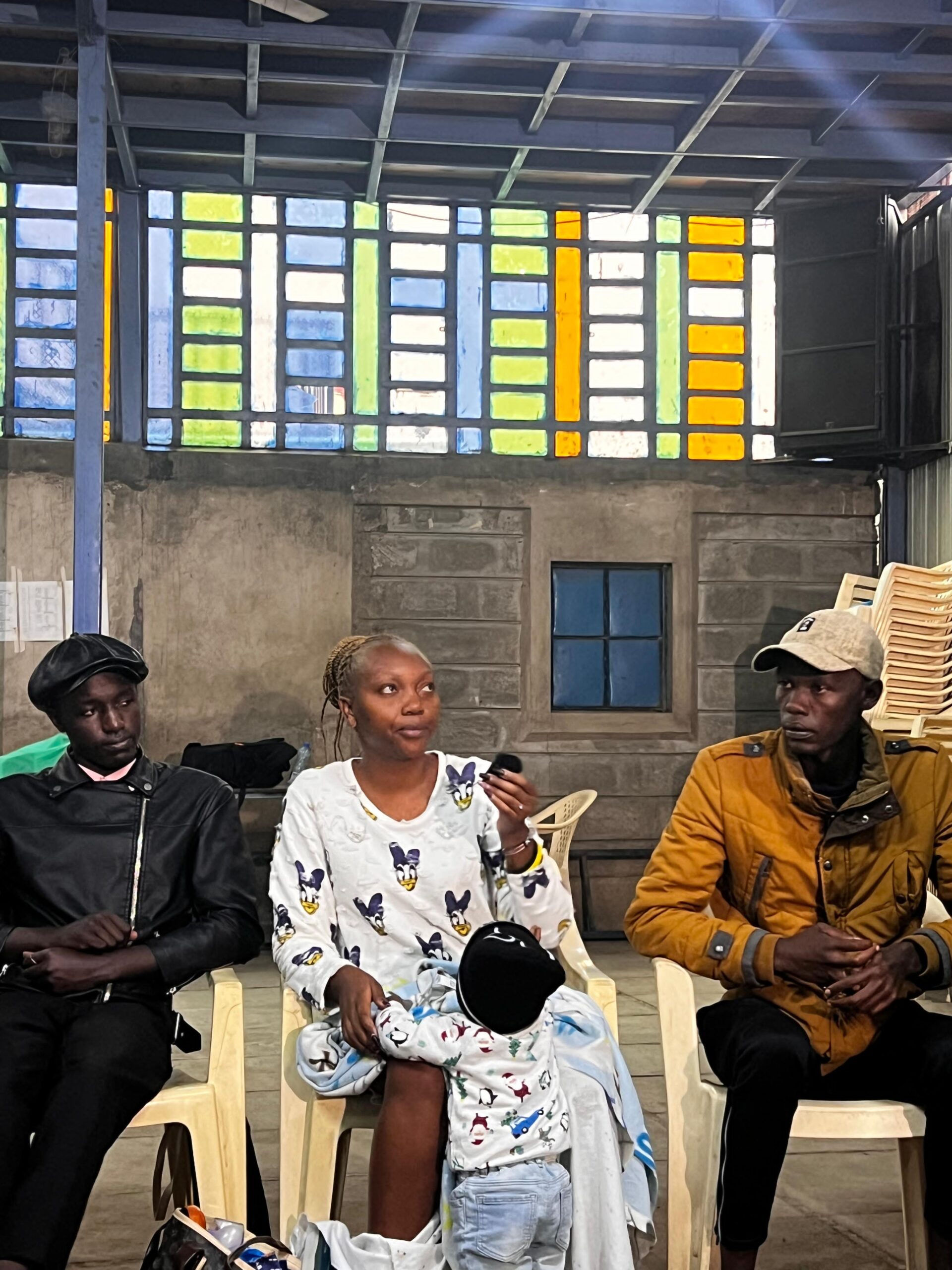
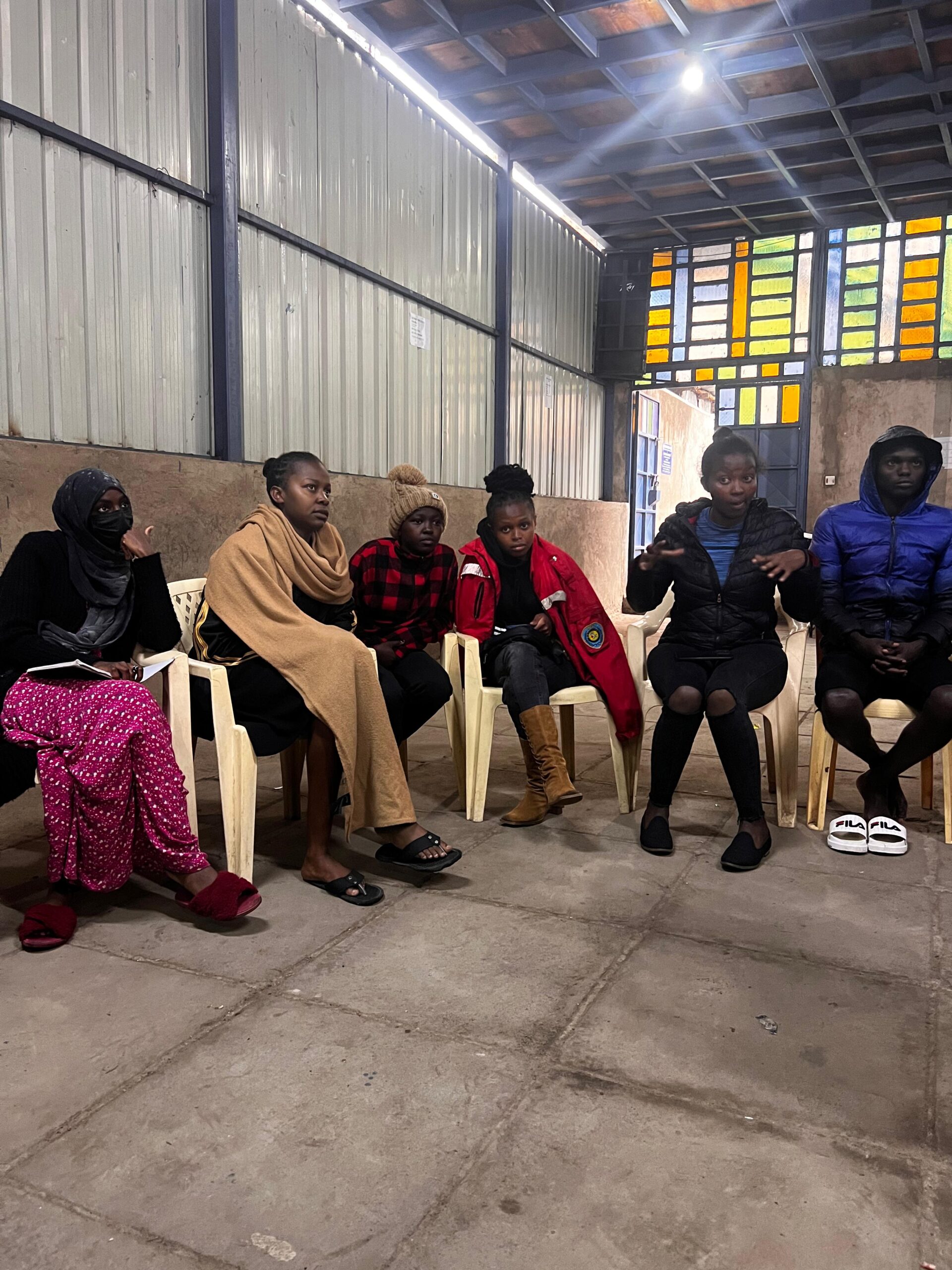
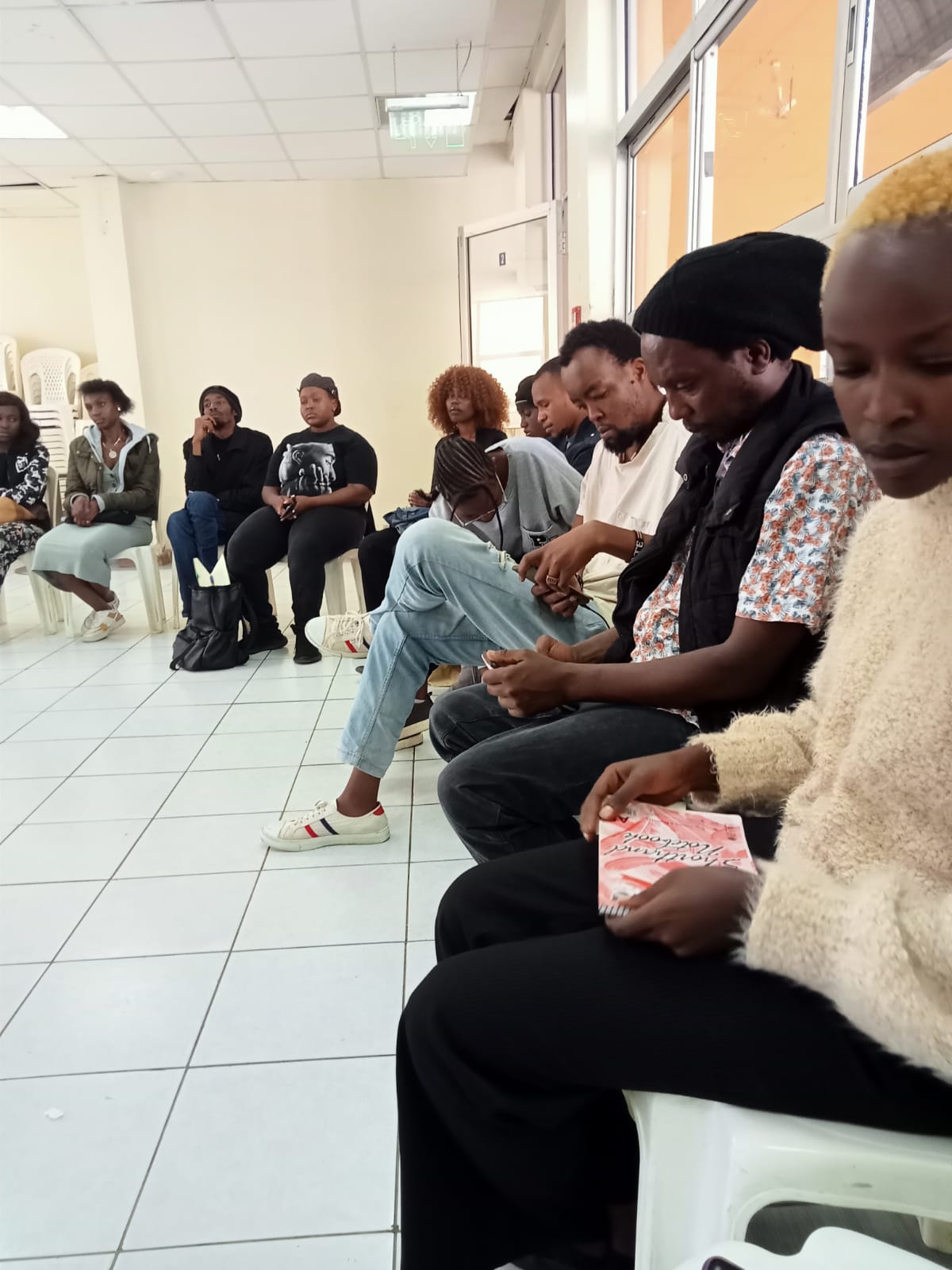
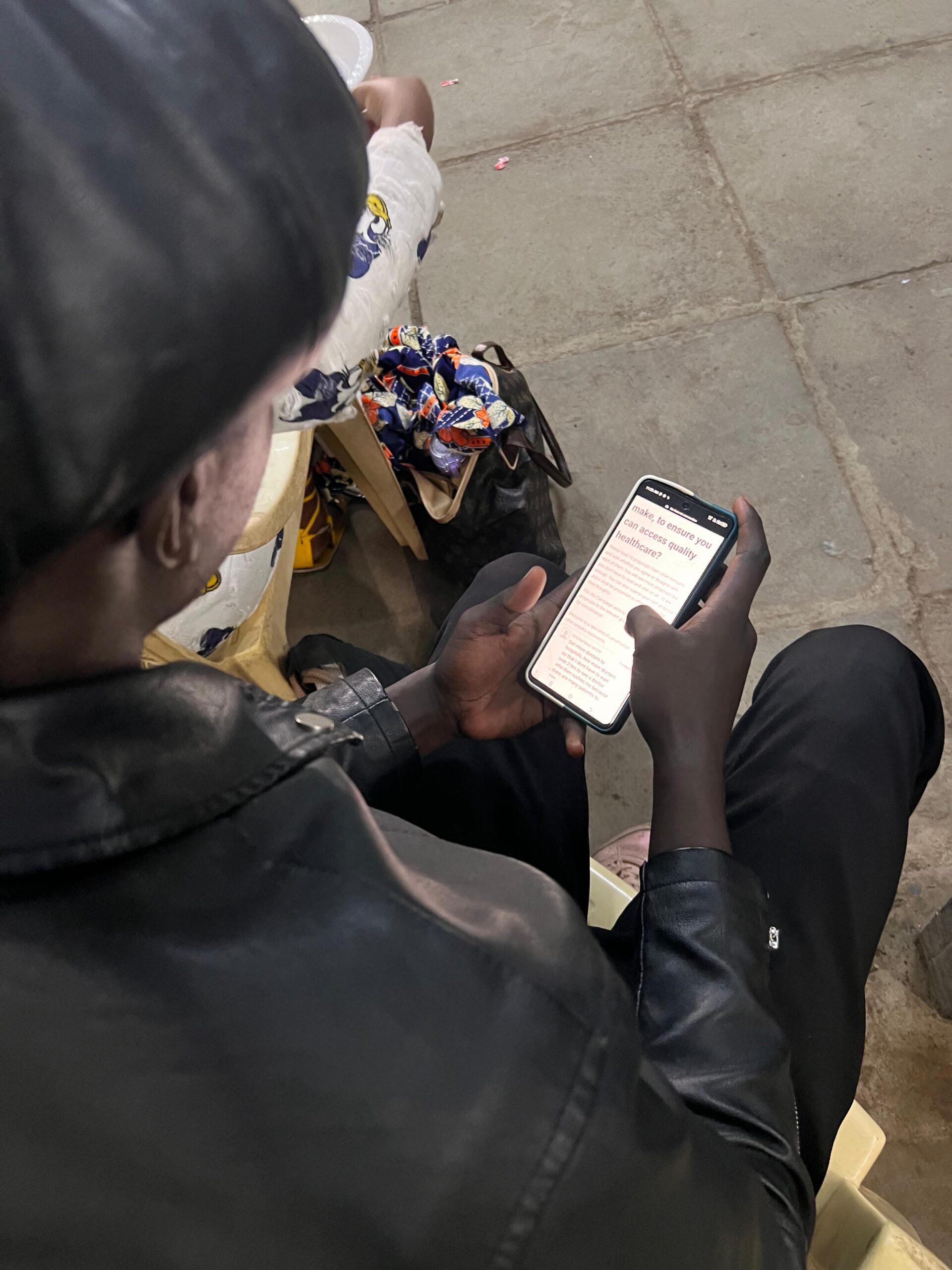
zKe ran youth barazas (community meetings) in Nakuru (14 November 2024), Nairobi (16 November) and Kitui (18 November), with 90 young people, and in Homabay (3 December) and Mombasa (5 December), with 64 more. The barazas showed that education and tax were harder to discuss than public participation. zKe linked this to how complex the issues are, and saw a need for literacy campaigns before asking young people to deliberate.
zKe hosted a two-hour X Space, “Crisis in Kenya’s Education? What changes do we want?”, with 1,991 participants, including representatives of the Ministry of Education. It was replayed 1,274 times. A Spice FM interview on the education crisis was broadcast on radio and KTN TV and streamed on YouTube.
Swipe or scroll sideways to see the barazas. Tap a photo to enlarge it.

What happened next
From conversation to recommendation
zKe’s final report for the pilot (February 2025) named affordable and accessible education as the main area of consensus, and the first of its key recommendations: education should be not only free but accessible to young people.
The education conversation also tested how zKe works. Fewer people joined it than the bill conversations that followed, and the team learned that complex topics need civic education before deliberation.
See every statement and vote
The pol.is report shows all 45 statements, how each opinion group voted and where they agreed.
Keep reading
More conversations
October 30, 2026
How to reduce unemployment in Kisumu County
Deliberative conversation · Open now · October 2026 How to reduce unemployment in Kisumu County “What actions do you think Kisumu County government should…
Read more
October 28, 2026
Livestreaming the 2027 election results
Deliberative conversation · Open now · October 2026 Should IEBC continue livestreaming election results? “Should results from every polling station be livestreamed in the…
Read more
October 23, 2026
Solutions to flooding in Nairobi
Deliberative conversation · Open now · October 2026 Solutions to flooding in Nairobi “To stop Nairobi’s recurrent flooding, what priority step or rule should…
Read more