
Social media analysis · Special report
How the NCIC is discussed online
Kenya’s cohesion commission was in the news almost every week between May and October 2026. Most posts simply reported its work. When a post took a side, it was almost always critical, and the criticism came from both sides of politics.
Period1 May to 28 October 2026
PlatformsYouTube and TikTok
Posts analysed248
Views~567,000
At a glance
Four numbers that sum up the conversation
This snapshot looks at how the National Cohesion and Integration Commission (NCIC) was discussed on YouTube and TikTok: whether the conversation was critical or supportive, what drove it and who was speaking.
248
YouTube and TikTok posts named the NCIC in their title or caption
75%
of them simply reported the commission’s work, without judging it
95%
of the 61 posts that took a side were critical, and they drew 99% of those posts’ views
~323,000
views for posts about summonses and probes, against ~49,000 for posts about its rulings
Key findings
What we found
Open each finding to read the detail.
Of the 248 posts, 75% (187) were neutral reports of summonses, warnings and peace campaigns, 76% of them (143) carrying the commission’s own statements. Of the 61 posts that took a position, 95% (58) were critical, and they drew 99% of the views these posts received. Only three posts defended or praised the commission, two of them its own statements.
Government and ruling coalition figures were behind 13 critical posts, which drew 41% of all views of critical posts (~80,000), more than opposition figures (27%) or the media (28%). Of these views, 80% went to posts about Health CS Aden Duale’s refusal to appear before the commission unless Rigathi Gachagua was summoned first.
July and August, when Duale, MP Peter Kaluma and Gachagua each declined or put conditions on NCIC summonses, accounted for 52% of posts (129) and 76% of views. Broadcasters and commentators responded by asking whether the NCIC is “toothless”, a question that was still being asked in October.
Ruling coalition figures demanded that the commission summon Gachagua before Duale and urged it to punish opposition leaders, while Kalonzo Musyoka accused it of shielding government allies and targeting opposition MPs. Of the 16 posts about selective justice, 12 were critical, and they drew ~68,000 views.
When the NCIC cleared MP Peter Kaluma and Governor Paul Otuoma on 1 October, an NTV headline called it “A Slap On The Wrist”. When it found CS Geoffrey Ruku and MP John Kaguchia guilty of divisive remarks a week later, Kaguchia refused to apologise and his party backed him. Posts about rulings drew ~49,000 views, against ~323,000 for posts about summonses and probes.
Month by month
How the conversation built up
The NCIC was set up after the violence that followed the 2007 election to promote national unity and to investigate hate speech and ethnic discrimination. Scroll to follow the events behind each month’s posts.
Posts about the NCIC by month and tone, May to October 2026
Source: YouTube and TikTok via Common Data. 248 posts that named the NCIC in their title or caption.
May: a new team takes office
A new team of commissioners, chaired by Bishop Kepha Omae, was sworn in on 20 May as campaigning for 2027 was getting under way. On 25 May the NCIC opened an investigation into UDA Secretary General Hassan Omar’s alleged hate speech against Mount Kenya communities. Almost every post that month was neutral.
July: Duale sets conditions
Between 24 and 28 July the NCIC began investigating Health CS Aden Duale over his remarks. Duale refused to appear unless Gachagua was also summoned, and the commission announced investigations into Gachagua, Duale and eight other politicians. Critical posts jumped from none in June to 17.
August: summonses defied
Between 18 and 24 August the NCIC summoned MP Peter Kaluma after violence at a Homa Bay rally, then summoned Gachagua. Kaluma defied his summons and Gachagua declined his, while MP John Kaguchia appeared on 24 August. The next day the NCIC launched its roadmap to a violence-free 2027 general election. August was the busiest month, with 80 posts.
September: parties reject the charter
On 15 September political parties rejected the NCIC’s peace and accountability charter. July and August together had accounted for 52% of posts (129) and 76% of views.
October: the first rulings
On 1 October the NCIC cleared Kaluma and Governor Paul Otuoma. On 7 October it found CS Geoffrey Ruku and MP John Kaguchia guilty of divisive remarks. Twelve of October’s 53 posts were critical, and two were supportive.
Who is speaking
Criticism came from both camps
Most posts carried the commission’s own messages. The criticism came from government and opposition figures alike, and from the media.
Tone of posts about the NCIC by who is speaking
Source: YouTube and TikTok via Common Data, May to October 2026.
Of the 248 posts, 58% (145) carried the commission’s own messages: summonses, warnings to politicians, verdicts and peace campaigns such as its roadmap to a violence-free election. Of the 61 posts that took a position, 58 were critical. They drew ~197,000 views, against fewer than 3,000 for the three supportive posts.
Two of the three supportive posts were the commission’s own. The third reported that Busia religious and civil society groups backed its “Noma Free” initiative. No politician from either side appeared in a post defending the commission.
Government and ruling coalition figures were behind 13 critical posts (~80,000 views, 41% of all views of critical posts). Opposition figures were behind 16 (~53,000 views), and media and commentators 17 (~55,000 views).
“NCIC are sleeping on their job, we need a peaceful elections.”
Aaron Cheruiyot, October 2026 (5,467 views)
“We have begun biting, it will be done fairly, but without any favour.”
Bishop Kepha Omae, NCIC chair, in one of only three supportive posts
Health CS Aden Duale set conditions for appearing before the commission, demanding that Gachagua be summoned first (20,847 views), and said he would not honour any summons otherwise. CS Geoffrey Ruku backed him, and Speaker Moses Wetang’ula urged the NCIC to be active all year and not just during elections.
From the opposition, Gachagua challenged the probe into his remarks and later declined a summons. MP John Kaguchia said his side would work to disband the NCIC, and his lawyers clashed with commissioners over whether he faced an investigation or a hearing (20,100 views on TikTok). Media and commentators mostly asked whether the commission has the power to act.
The big question
“Is NCIC toothless?”
Refused summonses made July and August the busiest months, and broadcasters began asking whether the commission can act at all.
After Duale’s refusal, NTV reported that the commission was “under fire” (8,440 views) and KTN asked “Is NCIC Toothless?”. In August Kaluma defied his summons over the Homa Bay rally violence (8,000 views) and Gachagua skipped his, citing a foreign trip (8,963 views). The commission threatened arrest warrants for politicians who ignored its summonses, and NTV asked “Je, wahuni wameilemea Serikali na NCIC?” (Have goons overwhelmed the government and the NCIC?), drawing 12,143 views.
The commission’s own explanations did little to change this framing. Its chair told the public “We can’t act on TikTok clips. Report cases of incitement to us”, and in October Commissioner Jerusah Mwaathime said Kenyans were not conversant with its mandate. The same month NTV ran an interview with her under the headline “NCIC: A Dog With No Teeth?”, and Citizen TV asked “NCIC: LOST AT SEA?” (7,997 views).
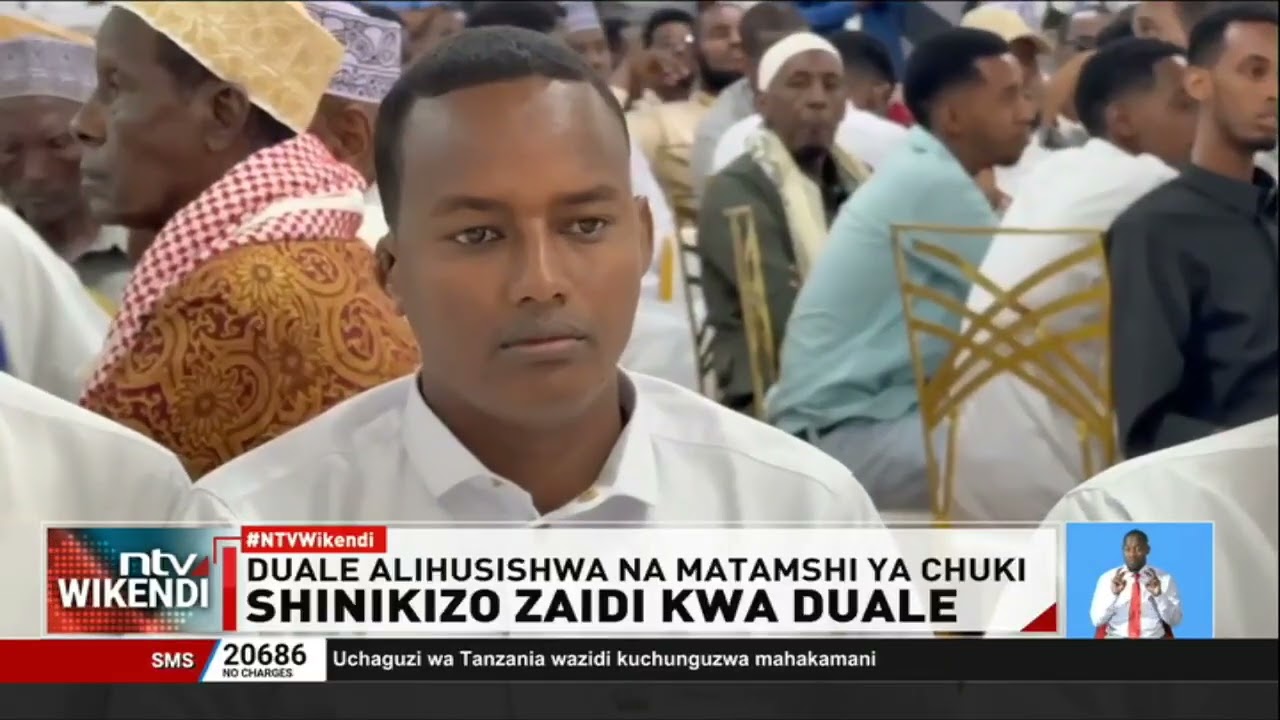
Waziri Aden Duale aweka masharti, ataka Rigathi Gachagua kutangulia kufika NCIC
NTV Kenya · 26 July · 20,847 views
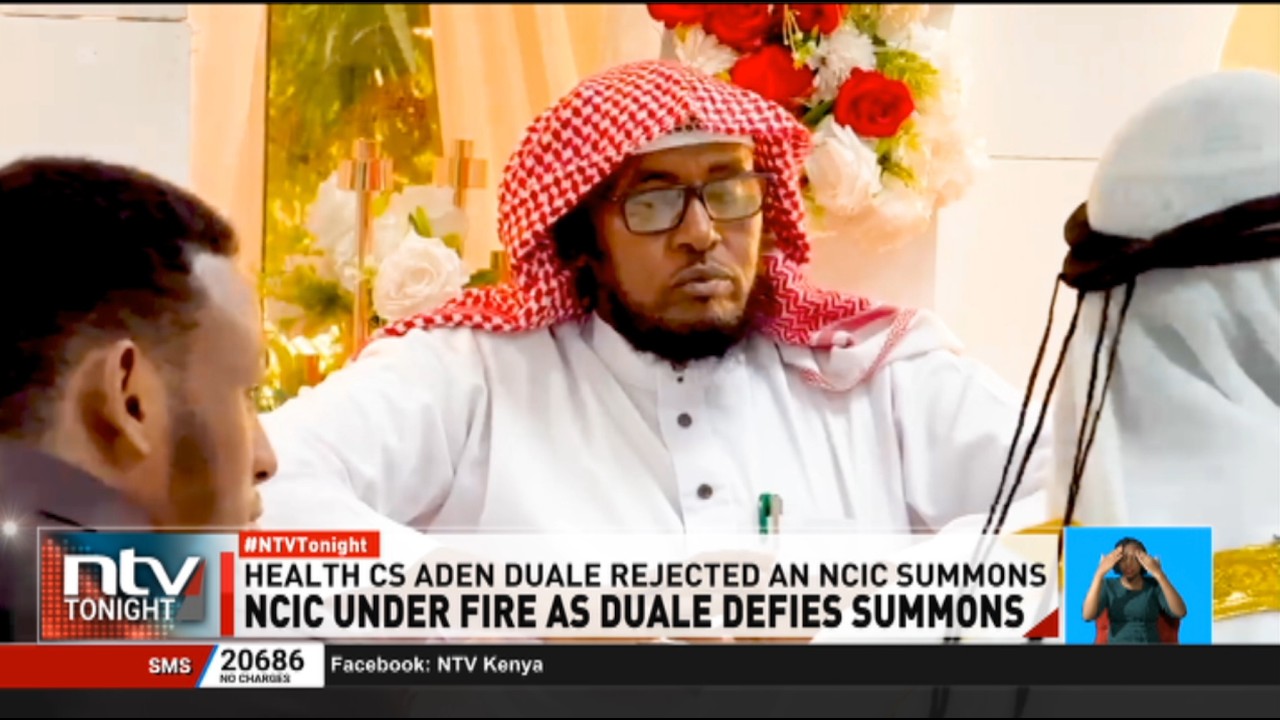
NCIC under fire as Health CS Duale defies its summons
NTV Kenya · 27 July · 8,440 views
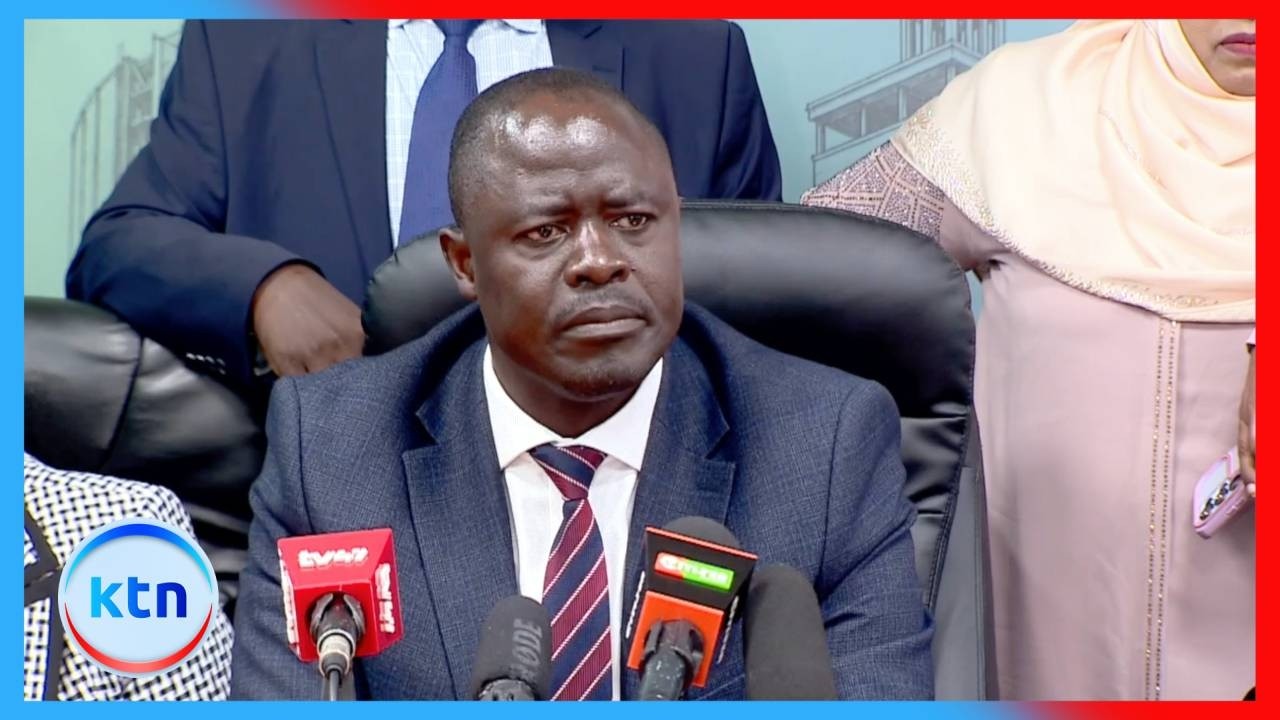
Homa Bay MP Peter Kaluma defies NCIC summons over Sunday rally violence
KTN News · 19 August · 8,000 views
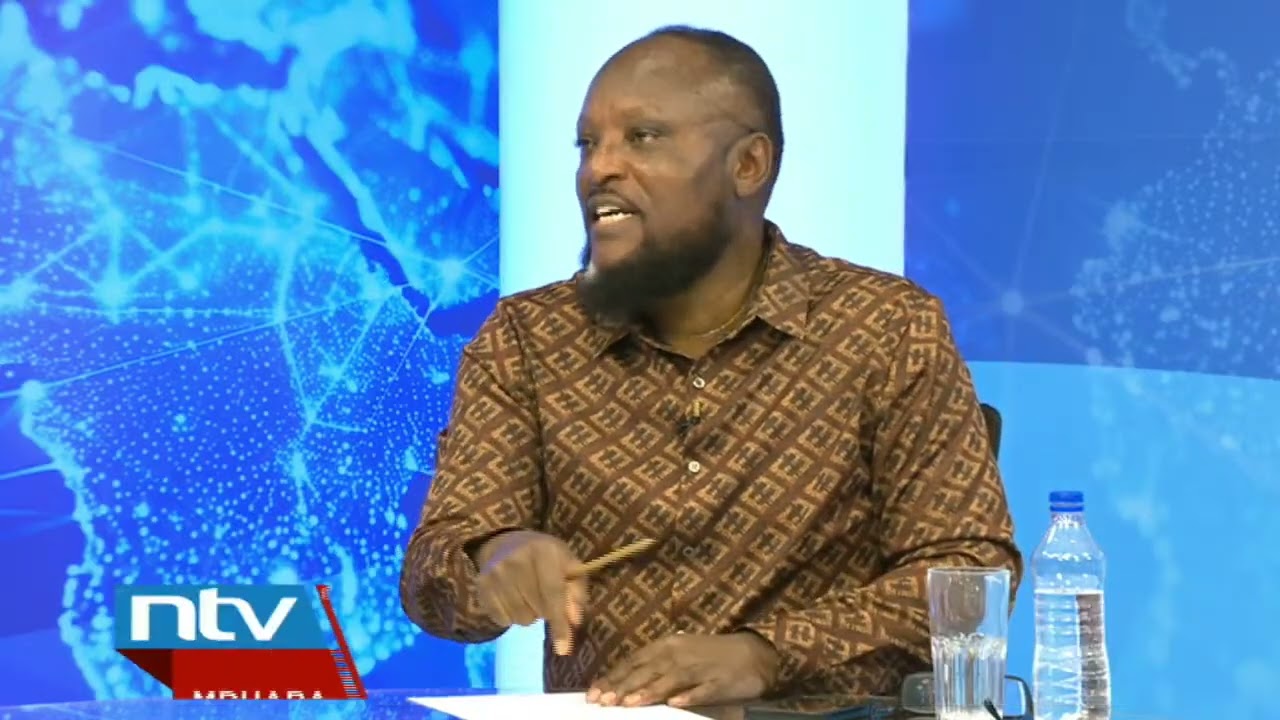
Je, wahuni wameilemea Serikali na NCIC?
NTV Kenya · 20 August · 12,143 views
News Gang | NCIC: Lost at sea?
Citizen TV · 8 October · 7,997 views
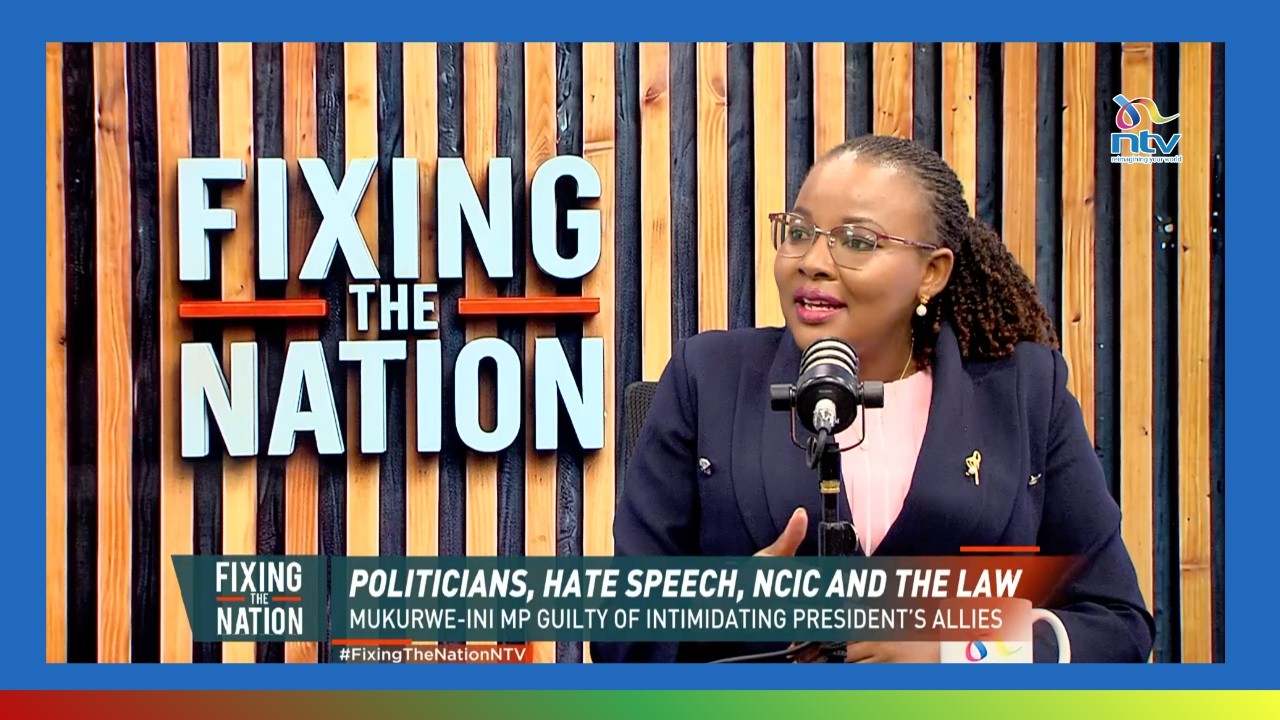
NCIC: A Dog With No Teeth? | Jerusah Mwaathime, Commissioner
NTV Kenya · 8 October · 3,595 views
Selective justice
Each camp accused the commission of favouring the other
Of the 16 posts about selective justice, 12 were critical, drawing ~68,000 views, and the accusations ran in both directions.
Duale and Ruku argued that Gachagua should be summoned first, Mombasa leaders accused the NCIC of selective justice, and UDA leaders urged it to punish opposition figures over hate speech.
From the other side, Kalonzo Musyoka accused the commission of shielding government allies and targeting opposition MPs, and Gathoni Wamuchomba asked why it had not acted against Duale (“Is he above the law?”).
“It is not enough for Kaluma and Wanga go to NCIC. If Kaguchia was prosecuted, then they should also be prosecuted for worse crimes.”
Senator Daniel Maanzo
The rulings
The October rulings did not settle the criticism
On 1 October the NCIC cleared Kaluma and Otuoma, saying there was no evidence that Kaluma planned the rally violence and that Otuoma’s remarks bordered on incitement but lacked intent. NTV headlined the decision “Demagogues Get A Slap On The Wrist”, and Josphat Kamanya said on Spice FM that “NCIC is creating room for verbal and physical violence, putting Kenyans at risk”.
A week later the commission found CS Geoffrey Ruku and MP John Kaguchia guilty of divisive remarks and ordered them to apologise publicly. Kaguchia rejected the ruling, saying he would apologise only after his court case was decided, and his party, the DCP, backed him (4,819 views).
Views of posts about the NCIC, by what they were about
Approximate views, YouTube and TikTok via Common Data.
Looking ahead
What to watch
Compliance
The commission’s standing online depends on whether politicians comply. Watch whether Ruku and Kaguchia withdraw their remarks, and whether Duale appears before the commission, as it said in October that he would.
Even-handedness
Both camps already accuse the NCIC of favouring the other, so each new summons or ruling is likely to be read through that lens. Setting out the evidence behind each decision matters as much as the decision itself.
Reach of peace messaging
The commission’s 73 posts about hate speech warnings and peace campaigns drew ~57,000 views, against ~323,000 for its disputes with politicians. Its peace messages are not reaching the audiences its confrontations reach.
Party buy-in
Political parties rejected the NCIC’s peace charter in September. Whether they sign it before campaigns formally open will test the commission’s standing.
How we did this
Data and method
The analysis used Common Data, a social media observatory that monitors YouTube, TikTok, Bluesky, Telegram and podcasts. It collected all posts in Common Data’s index that mentioned the NCIC by its abbreviation, its English name or its Swahili name between 1 May and 28 October 2026, the six months of data the platform holds, searching both the text of posts and automatic transcripts of what is said in videos.
This returned 1,066 YouTube and TikTok videos. Of these, 77% (816) mentioned the commission only in passing, or referred to a US police database that is also called NCIC. The analysis focuses on the 248 posts that named the Kenyan commission in their title or caption (221 on YouTube and 27 on TikTok, ~567,000 views); 69% of them (171) came from channels on the project’s Kenya election monitoring lists. Bluesky added 28 posts, almost all from automated headline feeds, and one podcast episode mentioned the commission in passing. Neither is analysed further.
Critical: questions the NCIC’s effectiveness, independence or fairness, calls it toothless or inactive, or rejects or defies its summonses and rulings.
Supportive: defends the NCIC, praises its work or backs its initiatives, including the commission’s own rebuttals of criticism.
Neutral: reports the NCIC’s activities, warnings or rulings, or calls on it to act, without judging it.
Speaker: the person or group whose view the post carries, usually the politician quoted in the title.
Common Data does not cover Facebook, X, Instagram or WhatsApp, where much of Kenya’s political conversation takes place, and Telegram was not available to this account.
Posts were classified from their titles and captions, not from the full video or the comments beneath it, so the reaction of viewers is not measured.
Six broadcasters (Citizen TV, KTN, NTV, KBC, K24 and Inooro TV) posted 208 of the 221 YouTube posts. Their headlines usually report what a politician or the commission said, so the tone measured is mostly that of the person quoted.
Posts reporting that a politician refused a summons are counted as critical, because they reject the commission’s authority. This raises the critical count for July and August.
Each post was classified once, by a single reviewer, without a second check.
Read the full report
Download the complete analysis as a PDF, with the full findings, the sources behind each figure and the method.
Keep reading
Other stories you might like
Special reports
How the IEBC is discussed online
Social media analysis · Special report How the IEBC is discussed online Most posts about Kenya’s electoral commission simply reported what it was doing.…
Read more
Monthly reports
Kenya’s election conversation online, July to October 2026
Social media analysis · Monthly report Kenya’s election conversation online From July to early October 2026, violence at political meetings, ethnic hate speech, attacks…
Read more
Special reports
Anti-Burundian xenophobia narratives in Kenya
Social media analysis · Special report Anti-Burundian xenophobia narratives in Kenya After a presidential directive on foreign-owned small businesses on 2 September 2026, panic…
Read more