
Social media analysis · Special report
How the IEBC is discussed online
Most posts about Kenya’s electoral commission simply reported what it was doing. Where a post took a side, it was usually critical, and criticism and support followed political lines.
Period1 May to 28 October 2026
PlatformsYouTube and TikTok
Posts analysed688
Views~2.5 million
At a glance
Four numbers that sum up the conversation
This snapshot looks at how the Independent Electoral and Boundaries Commission (IEBC) was discussed on YouTube and TikTok: whether the conversation was critical or supportive, what drove it and who was speaking.
688
YouTube and TikTok posts named the IEBC in their title or caption
53%
of them were neutral reports of announcements, preparations and rulings
63%
of the 326 posts that took a side were critical (204 posts)
75%
of the views of posts that took a side went to critical posts: ~952,000, against ~309,000
Key findings
What we found
Open each finding to read the detail.
Of the 688 posts, 53% (362) were neutral reports of announcements, preparations and rulings. Of the 326 that took a position, 63% (204) were critical and 37% (122) supportive. Critical posts also drew 75% of the views these posts received (~952,000, against ~309,000 for supportive posts).
Opposition figures were behind 59% of the critical posts (120 of 204), which drew 77% of all views of critical posts. Government and ruling coalition figures were behind 68% of the supportive posts (83 of 122). Of the posts carrying the IEBC’s own messages, 89% were informational, and it rarely answered its critics.
In the run-up to the 16 July vote, 83% of the posts that took a side were critical, driven by claims of bias and the IEBC’s threat to postpone the poll. After the opposition DCP won the seat, leaders on both sides praised the commission, and ruling coalition figures later used that praise to argue that the IEBC can be trusted in 2027.
In the two weeks after Rigathi Gachagua alleged a plot involving the IEBC vice chair and questioned the election technology tender, government and ruling coalition figures appeared in 60 posts defending the commission, most repeating the same message that politicians should keep off the IEBC and let it work. August was the only month in which most posts that took a side were supportive (52%).
Claims about dead voters, voters brought in from Uganda and an unaudited register made September the most critical month: 70% of the posts that took a side were critical (75 of 107). In late October, Parliament’s vote to remove the IEBC’s legal duty to livestream results drew some of the highest reach of the period, but the anger was aimed at MPs rather than at the commission.
Month by month
Six months of the IEBC online
The IEBC, chaired by Erastus Ethekon, is preparing for a general election on 10 August 2027. During the period it asked Parliament for more money, set campaign spending limits, began procuring new election technology and ran by-elections. Scroll to follow the events behind each month’s posts.
Posts about the IEBC by month and tone, May to October 2026
Source: YouTube and TikTok via Common Data. 688 posts that named the IEBC in their title or caption.
May and June: preparations
Most posts reported the commission’s routine work: budget requests, campaign spending limits, voter education and warnings to politicians. Fewer than one in five posts took a side.
July: the Ol Kalou test
Between 9 and 16 July the IEBC threatened to postpone the Ol Kalou by-election over violence and bribery, then ran it on 16 July. The DCP candidate, Sammy Kamau, won. KTN called it the IEBC’s first big test before 2027, and July was the busiest month, with 189 posts.
August: allegations and a defence
Between 24 and 27 August Rigathi Gachagua alleged a plot over the electoral system and questioned the election technology tender. The IEBC rejected his claims, and the ruling side rallied behind it: August was the only month in which most posts that took a side were supportive (52 of 100).
September: the voter register
The IEBC summoned UDA Secretary General Hassan Omar over remarks about dead voters. On 19 September the High Court ordered it to open the voter register to political parties and observers, and on 28 September KTN stood by its investigation into alleged voter smuggling from Uganda, which the IEBC and the DCI denied. September was the most critical month: 75 critical posts.
October: livestreaming results
On 21 October Hassan Omar appeared before the IEBC’s code of conduct committee. On 23 October MPs passed the Elections (Amendment) (No. 2) Bill, 2024, removing the IEBC’s legal duty to livestream election results. Most of the posts that followed were neutral towards the commission itself: the suspicion was aimed at MPs.
Who is speaking
Criticism and support followed political lines
Opposition figures drove the criticism, the ruling side drove the support, and the commission itself mostly made announcements.
Tone of posts about the IEBC by who is speaking
Source: YouTube and TikTok via Common Data, May to October 2026.
Opposition figures were behind 59% of the critical posts (120 of 204), and those posts drew 77% of all views of critical posts (~735,000). The most-viewed was Fred Matiang’i’s warning, quoted below, followed by Ndindi Nyoro asking “IEBC, are your commissioners clear minded that whatever is happening in OL Kalou is the right thing?” (89,600 views) and Rigathi Gachagua’s promise to expose a plot by President Ruto, CS Hassan Joho and the IEBC vice chair over the electoral system (67,600 views).
Government and ruling coalition figures were behind 68% of the supportive posts (83 of 122). They rarely criticised the commission (9 posts), and six of those came from Health CS Aden Duale, who told the IEBC on 6 September to put its act together.
The IEBC itself was the speaker in 246 posts, 89% of them (219) neutral announcements. Its rebuttals were few (27 posts) and reached far fewer people than the attacks they answered, with ~74,000 views in total. When media and commentators took a side, 90% of their posts were critical (38 of 42).
“The IEBC is walking the country into a crisis.”
Fred Matiang’i, the most-viewed critical post (104,868 views)
“Respect the referee.”
Speaker Moses Wetang’ula to politicians, late August, one of 60 posts defending the IEBC in two weeks
Ol Kalou
Criticism before the vote, praise from both sides after it
The Ol Kalou by-election on 16 July turned the conversation around, for two weeks.
In the run-up, the commission’s threat to postpone the vote over violence and bribery drew attacks from across the opposition. Gachagua said it could not be trusted to deliver free and fair elections (36,276 views), and Kalonzo Musyoka told it “You have an opportunity to prove you are not a William Ruto commission”.
The tone flipped once the DCP won. DCP Senator John Methu said “We are very happy and very satisfied” (52,800 views), and ruling coalition figures turned the result into an argument for trusting the commission. Two months later, Ayub Savula said “We were very happy to lose the Ol Kalou by-election so that the credibility of IEBC can be accepted by the opposition”.
Posts that took a side, before and after the Ol Kalou vote
Before the vote 83% were critical (45 of 54); after it 73% were supportive (11 of 15).
“IEBC asanteni sana because you have delivered a credible by-election, tukishinda 2027 msiseme tena IEBC iko na shida yoyote!”
Gladys Wanga. In English: IEBC, thank you very much because you have delivered a credible by-election; if we win in 2027, do not say again that the IEBC has a problem.
“IEBC haijawahikuwa na makosa.”
Oscar Sudi: the IEBC has never been at fault (62,700 views)
Late August
Gachagua’s allegations set off a run of statements defending the IEBC
On 24 August Gachagua promised to reveal a plot over the electoral system and alleged a conspiracy to award the IEBC’s technology tender to a South Korean company. Kalonzo Musyoka had already warned the IEBC on 10 August that he would reject any tainted election technology (42,500 views). The IEBC said the tender was open and transparent.
The ruling side answered quickly and consistently. Speaker Moses Wetang’ula told politicians to “respect the referee”, Deputy President Kithure Kindiki warned the opposition against claims of a rigging plot and Majority Leader Kimani Ichung’wah told it to keep off IEBC operations, with similar messages from Aaron Cheruiyot, Farouk Kibet, Kipchumba Murkomen and Musalia Mudavadi.
The defence did not end the dispute. On 4 September the procurement review board ordered the IEBC to revise the tender over procurement shortcomings, and opposition leaders accused the commission of bias the same day.
60
posts in which government and ruling coalition figures defended the IEBC between 24 August and 8 September
72%
of all their supportive posts in the six months came in those two weeks
From September
Distrust shifted to the voter register and to how results will be transmitted
September was the most critical month: 70% of the posts that took a side were critical (75 of 107). After UDA Secretary General Hassan Omar’s remarks about dead voters, the opposition asked the IEBC to clean up the voter register (22,297 views). KTN’s investigation into alleged voter smuggling from Uganda, which the IEBC and DCI denied, was the month’s most-viewed critical post (40,894 views). Between 12 September and 1 October, the critical share rose to 87% (46 of 53).
In October the focus moved from the commission to Parliament. After MPs voted on 23 October to remove the IEBC’s legal duty to livestream election results, a Maisha TV video on calls for Gen Z protests against the bill drew 103,265 views, the second most-viewed YouTube post of the period, and another asked “MPs Kill IEBC Livestream of Results: Plan to Rig 2027 Elections?” (21,549 views). Opposition leaders warned Parliament against interfering with the commission’s independence.
“Safari hii haitawezekana, Bwana Ruto na IEBC, muibe kura.”
Kalonzo Musyoka. In English: This time it will not be possible, Mr Ruto and IEBC, for you to steal votes.
Watch
Some of the videos behind the numbers
A selection of the most-viewed YouTube posts about the IEBC in the period. Each opens on YouTube.
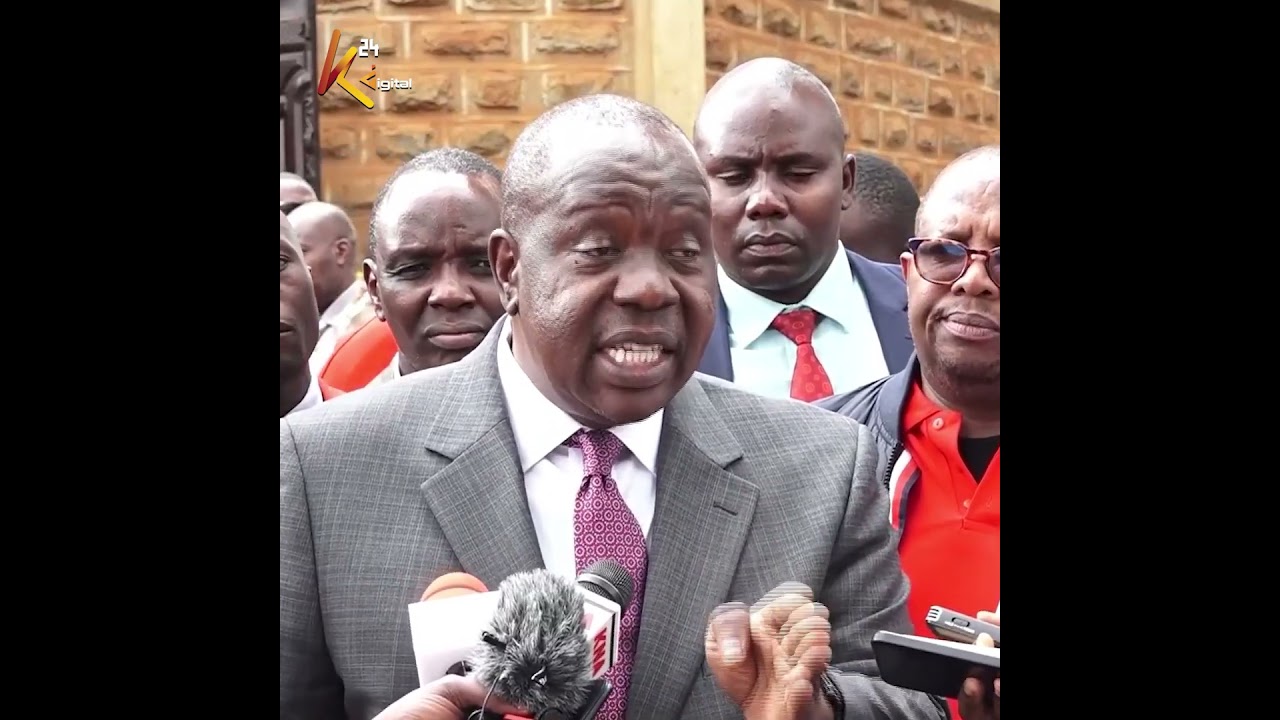
The IEBC is walking the country into a crisis: Fred Matiang’i
K24 TV · 12 July · 104,868 views
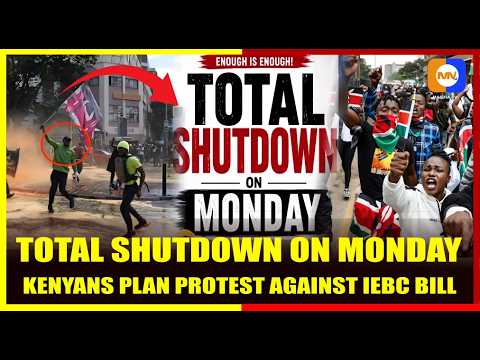
Monday total shutdown? Gen Z call fresh demos as Maraga, Muturi fight MPs’ IEBC livestream bill
Maisha TV · 23 October · 103,265 views
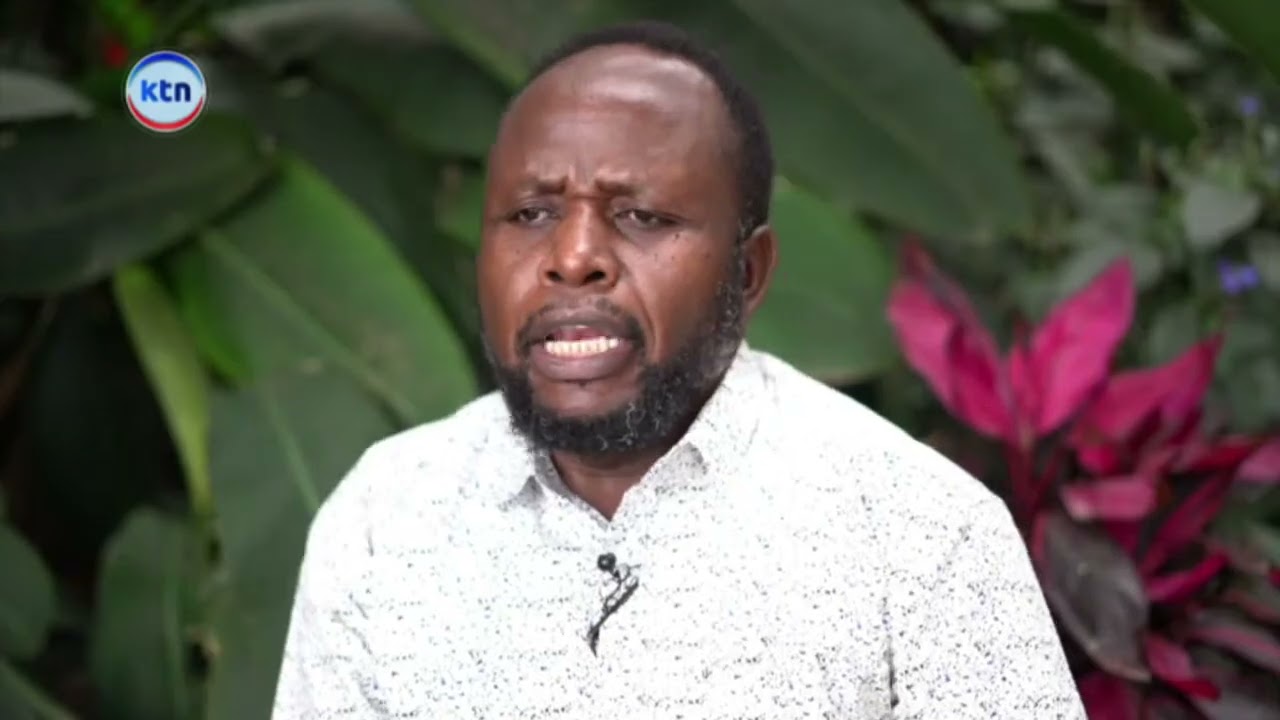
KTN stands by voter smuggling investigation despite IEBC and DCI denials
KTN News · 28 September · 40,894 views
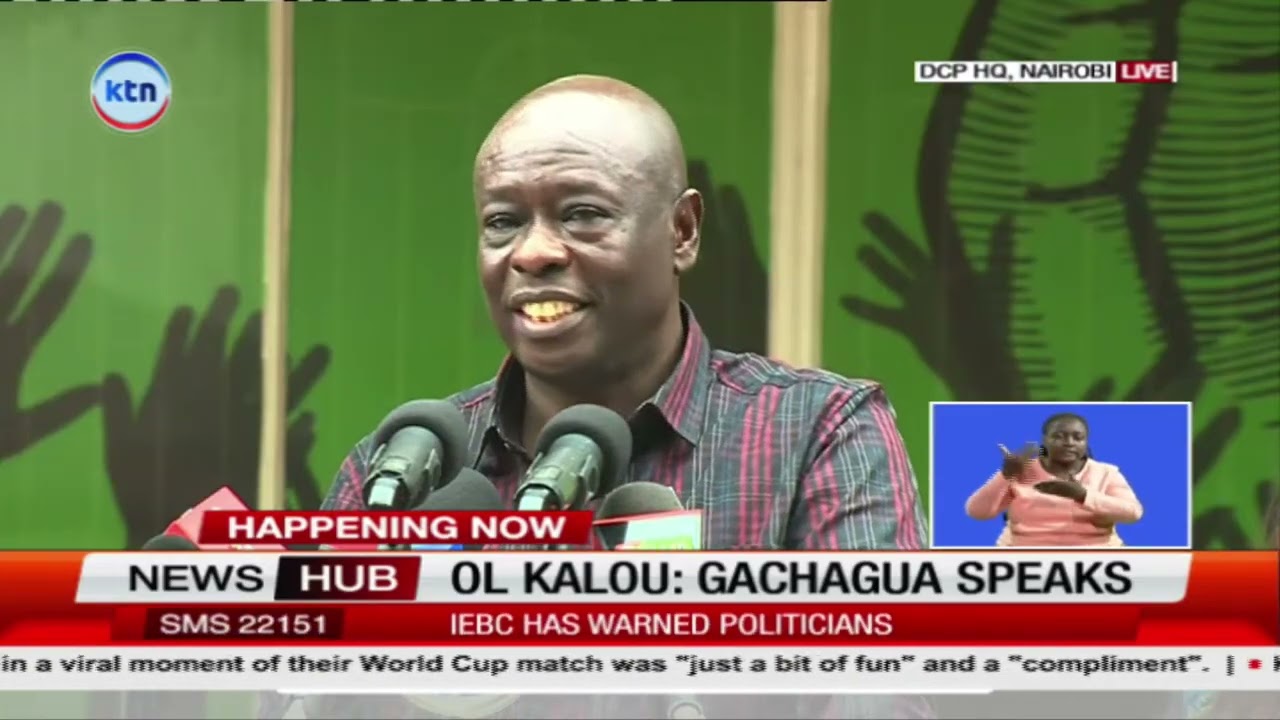
Rigathi Gachagua slams IEBC, says it cannot be trusted to deliver free and fair elections
KTN News · 10 July · 36,276 views
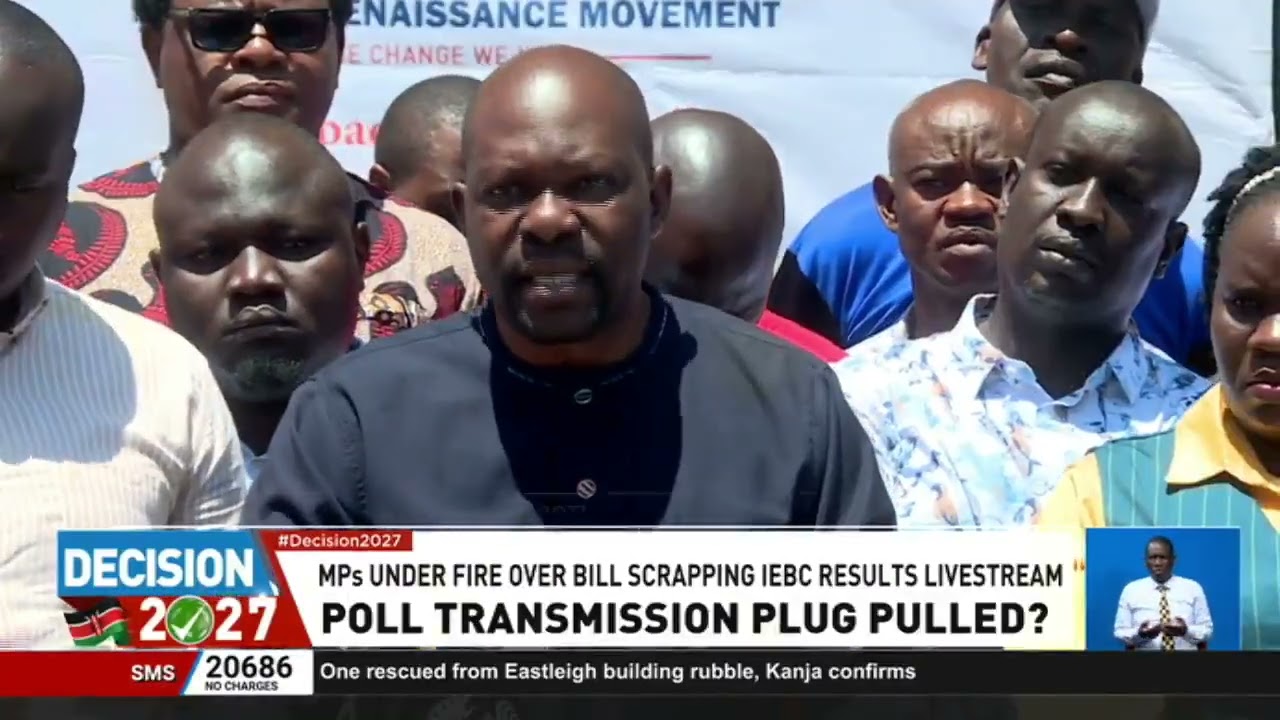
IEBC livestreaming bill sparks backlash as leaders threaten court action and protests
NTV Kenya · 23 October · 30,977 views
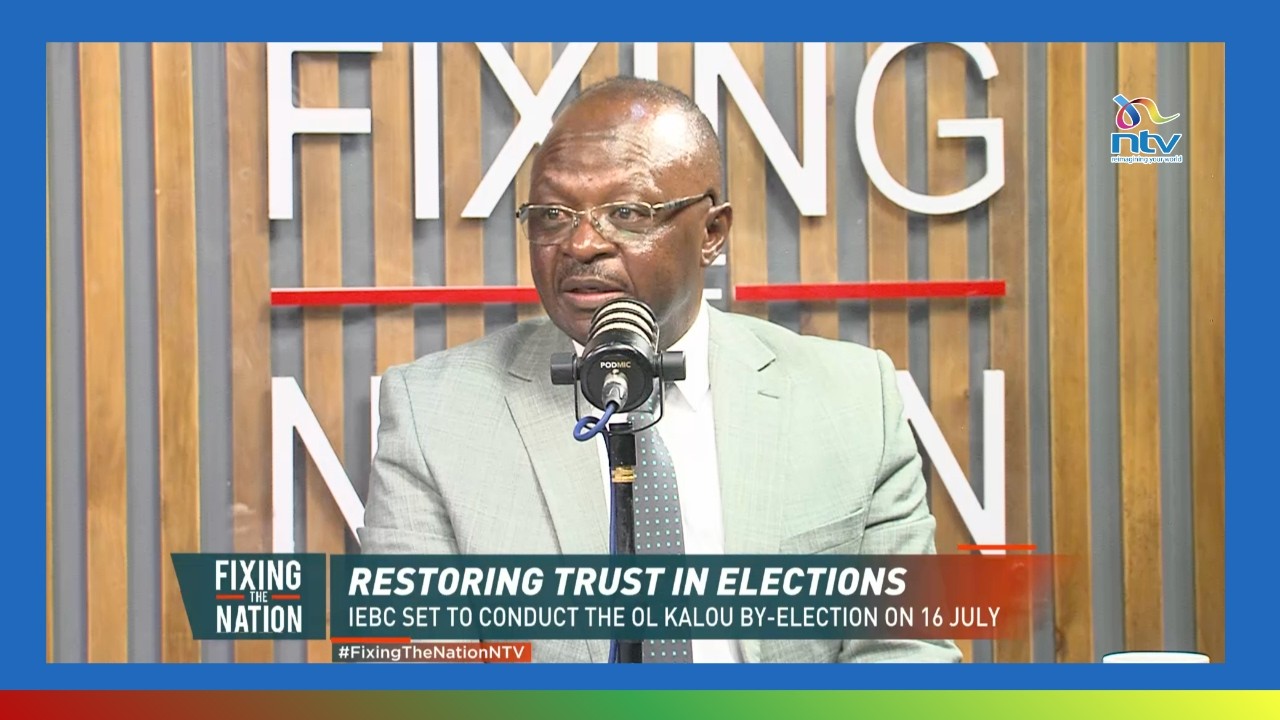
IEBC responds: Ol Kalou, voter bribery, opposition, 2027
NTV Kenya · 15 July · 23,488 views, the most-viewed supportive YouTube post
Looking ahead
What to watch
The voter register
Claims about dead voters, foreign voters and voter transfers drove criticism from September and are likely to return with each registration drive.
Results transmission
The livestreaming dispute ties the IEBC’s credibility to a legal change it did not make. How the commission explains result transmission under the new law is likely to shape rigging claims ahead of 2027.
A partisan referee
Because criticism and support follow political lines, each IEBC decision is likely to be read as favouring one side. The commission’s own messages, mostly announcements, reach far fewer people than the attacks on it.
Coming tests
The IEBC’s ruling on Hassan Omar, the election technology contract, further by-elections and its funding gap are the next likely flashpoints.
How we did this
Data and method
The analysis used Common Data, a social media observatory that monitors YouTube, TikTok, Bluesky, Telegram and podcasts. It collected all posts in Common Data’s index that mentioned the IEBC by name or abbreviation between 1 May and 28 October 2026, the six months of data the platform holds, searching both the text of posts and automatic transcripts of what is said in videos.
This returned 1,502 YouTube and TikTok videos, with ~12.3 million views between them. Of these, 54% (814) mentioned the commission only in passing. The analysis focuses on the 688 posts that named the IEBC in their title or caption (567 on YouTube and 121 on TikTok, ~2.5 million views); 77% of them (530) came from channels on the project’s Kenya election monitoring lists. Bluesky added ~110 posts, almost all from automated headline feeds, and no podcast episode in the Common Data catalogue mentioned the Kenyan commission. Neither is analysed further.
TikTok was more opinionated than YouTube: 31% of TikTok posts were neutral (38 of 121), against 57% on YouTube (324 of 567). TikTok clips mostly carry a politician’s words in the caption, while broadcasters’ YouTube titles more often report events.
Critical: questions the IEBC’s independence, competence, preparedness or integrity, accuses it of bias or inaction, or warns it against rigging.
Supportive: defends the IEBC, praises its work or expresses confidence in it, including the commission’s own rebuttals of claims made against it.
Neutral: reports the IEBC’s activities, announcements or rulings, or calls on it to act, without judging it.
Speaker: the person or group whose view the post carries, usually the politician quoted in the title.
Common Data does not cover Facebook, X, Instagram or WhatsApp, where much of Kenya’s political conversation takes place, and Telegram was not available to this account.
Posts were classified from their titles and captions, not from the full video or the comments beneath it, so the reaction of viewers is not measured.
Six broadcasters (Citizen TV, KTN, NTV, KBC, K24 and Inooro TV) posted 491 of the 567 YouTube posts. Their headlines usually report what a politician said, so the tone measured is mostly that of the person quoted.
Each post was classified once, by a single reviewer, without a second check.
Views show reach, not agreement, and were recorded at the time of collection.
Read the full report
Download the complete analysis as a PDF, with the full findings, the sources behind each figure and the method.
Keep reading
Other stories you might like
Special reports
How the NCIC is discussed online
Social media analysis · Special report How the NCIC is discussed online Kenya’s cohesion commission was in the news almost every week between May…
Read more
Monthly reports
Kenya’s election conversation online, July to October 2026
Social media analysis · Monthly report Kenya’s election conversation online From July to early October 2026, violence at political meetings, ethnic hate speech, attacks…
Read more
Special reports
Anti-Burundian xenophobia narratives in Kenya
Social media analysis · Special report Anti-Burundian xenophobia narratives in Kenya After a presidential directive on foreign-owned small businesses on 2 September 2026, panic…
Read more