
Social media analysis · Special report
Anti-Burundian xenophobia narratives in Kenya
After a presidential directive on foreign-owned small businesses on 2 September 2026, panic among Burundians in Kenya turned into harassment, looting and displacement. A “fake voters” conspiracy attached itself to the crackdown, and many Kenyans pushed back against the xenophobia.
Period2 to 10 September 2026
PlatformsFacebook, TikTok and X
LanguagesEnglish, Kiswahili and Sheng
At a glance
A crisis with a long run-up
This snapshot traces the anti-Burundian narratives that emerged in Kenya’s online and offline environment around the September 2026 crackdown on foreign-owned small businesses.
2.7M
views of a TikTok skit from March 2025 that mocked Burundian tea vendors, 18 months before the crisis
4
places where violence, looting or displacement was confirmed after the 7 September deadline
3
contradictory versions of a “fake voters” conspiracy that attached itself to the crackdown
6
suspects arrested in connection with the unrest in Nairobi
Background
From a trader protest to a presidential directive
The crisis traces back to a long-standing undertone of discontent in Kenya about foreign nationals, especially other East Africans, competing for jobs.
On 28 August 2026, small-scale traders protested in Nairobi’s CBD (Archives, Kamukunji, Gikomba, Nyamakima) against a rise in KRA’s customs valuation benchmark for a 40-foot container of consolidated cargo, from KSh 2.5 million to KSh 3.2 million. Police used tear gas. Press coverage described the grievance as taxation and import valuation; none cited foreign traders or Burundians. President Ruto later revised the benchmark down to KSh 2 million.
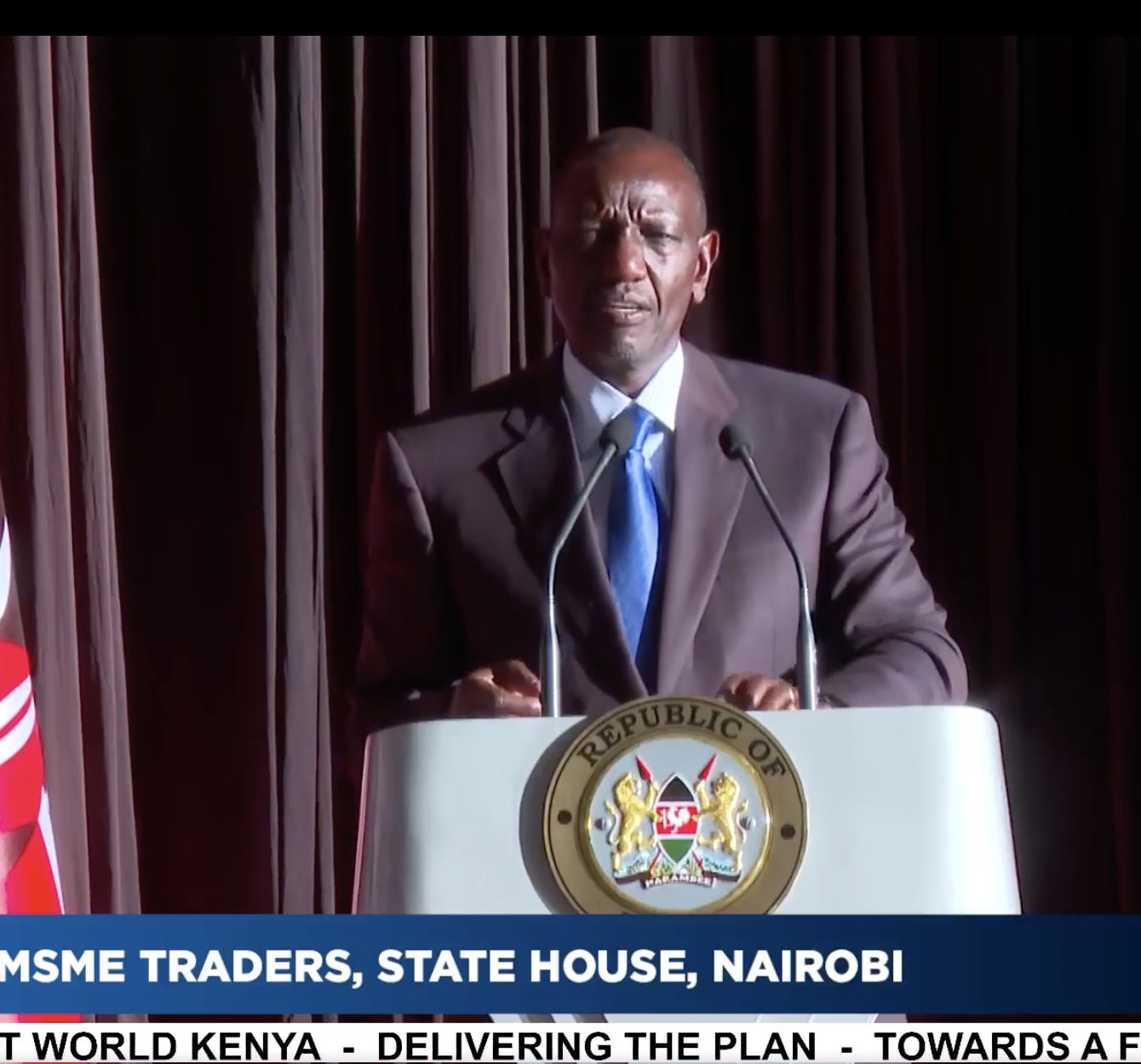
On 2 September, at a meeting with MSME traders at State House, the President ordered foreign-owned small businesses without permits to close, with a 7 September deadline. The directive did not name Burundians or any nationality: he cited China as his example (“someone from China or elsewhere”) and said “The investor confidence we have built is for investors to come to Kenya, not hawkers and traders.” He told traders “From next week, all traders doing those small businesses should close them”, to a standing ovation, and directed Trade CS Lee Kinyanjui and Majority Leader Kimani Ichung’wah to fast-track legislation reserving certain businesses for Kenyan citizens. Traders’ umbrella bodies endorsed the directive.
Key findings
What we found
Open each finding to read the detail.
Separate from the economic and diplomatic narratives, a conspiracy theory tied the crackdown to the 2027 election, alleging that Burundians’ presence in Kenya was somehow connected to fraudulent voting for President Ruto.
A comedic TikTok skit normalising non-payment of Burundian vendors dates to March 2025. Political rhetoric singling out Burundians (MP Beatrice Elachi) predates the crisis by nearly three months, and ties to legislation (the Local Content Bill) that had already cleared committee review by April 2026. The “crisis” was not a sudden reaction: it activated sentiment and legislative groundwork that already existed.
Despite the harmful narrative, a broad counter-mobilisation emerged across Kenyan society: celebrities, civil society, legal institutions, opposition figures and ordinary bystanders publicly rejected the xenophobia framing and affirmed solidarity with Burundians.
A piece of comedic content, created weeks before the political crisis began, ended up shaping a real diplomatic response. The creator posted a video saying it was staged, but reshares and new versions resurfaced once the crisis peaked.
Officials moved quickly to reject accusations of xenophobia, reframing the directive as a matter of documentation and regulatory compliance, a position echoed and amplified in pro-government social media activity.
What began as anxiety over the compliance deadline escalated, over a week, into reported harassment and then confirmed, witnessed violence against Burundians in several parts of the country.
A range of Kenyan voices, from public figures to ordinary bystanders, pushed back publicly against the xenophobia narrative, through statements and direct action.
The run-up
Satire and political rhetoric came first
Before the crisis, a running undercurrent of discontent about foreign nationals competing for low-skill and entry-level jobs showed up in comedy and in politics.
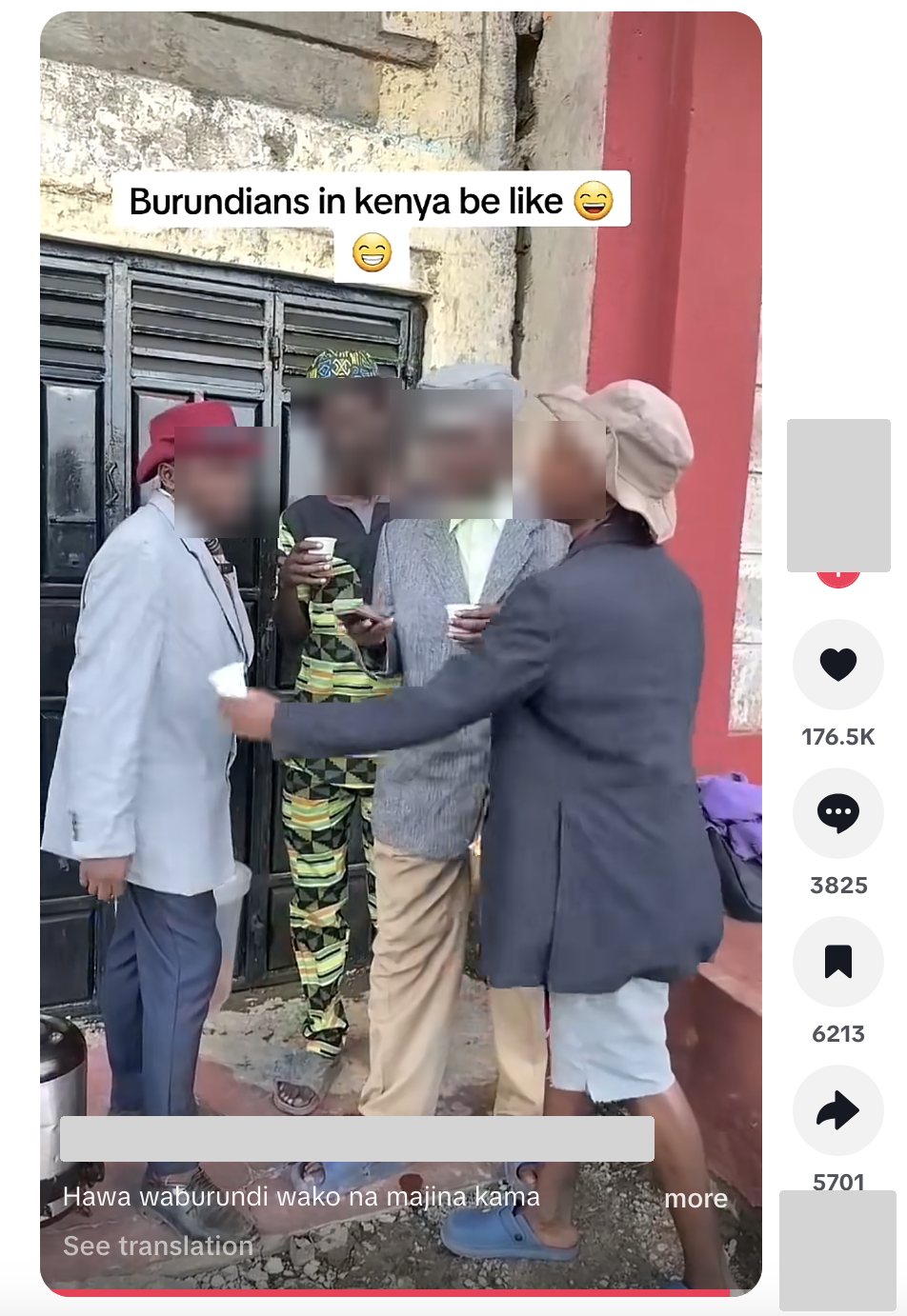
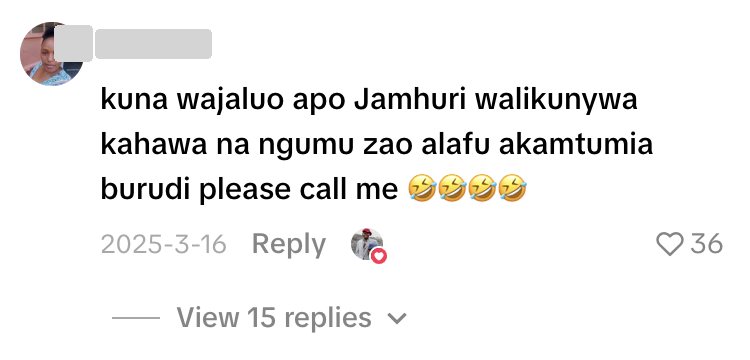
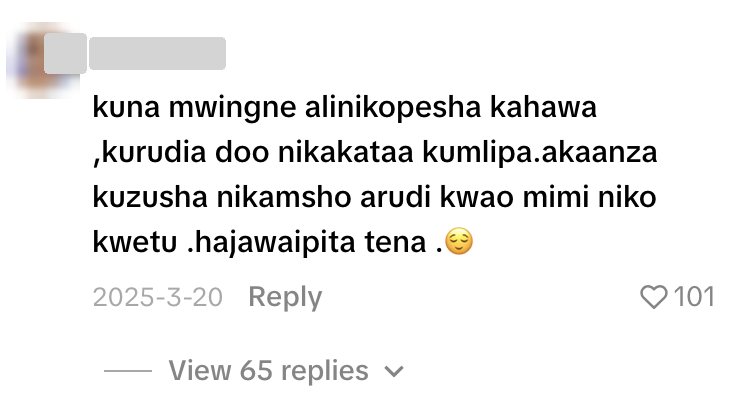
An older TikTok skit, dated as early as March 2025 and viewed 2.7 million times, was captioned “Burundians in Kenya be like”. It portrays Kenyans buying tea from Burundian vendors and not paying. The comment section includes what read as first-person accounts of the same behaviour.
An MP names Burundians
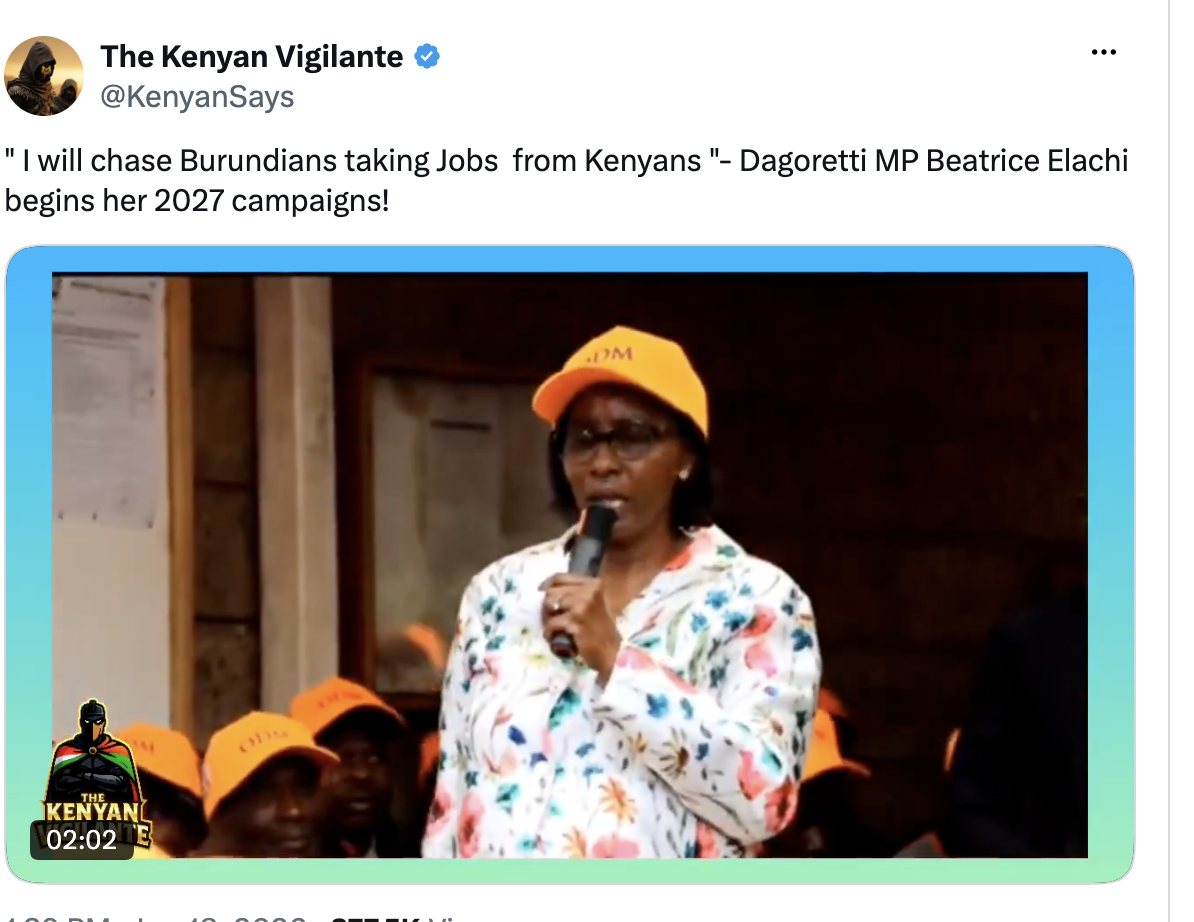
On 18 June 2026, at what appears to be an ODM gathering, Dagoretti North MP Beatrice Elachi accused employers of hiring Burundian construction workers over Kenyans because they were cheaper: “You cannot come to Kenya and take jobs at 400 shillings a day when Kenyans are paid 700 shillings and above.” She extended the complaint to Burundians selling coffee and groundnuts, and said she would push the issue in Parliament.
This was the first instance found of a politician naming Burundians in connection with legislation that had been moving through Parliament since October 2025: the Local Content Bill (sponsored by Laikipia Woman Rep Jane Kagiri) and the Micro and Small Enterprises (Amendment) Bill (sponsored by Manyatta MP Gitonga Mukunji), the same legislation the President would later cite.
The March 2025 skit and comments beneath it. Swipe or scroll sideways; tap a post to enlarge it.
A staged video
A skit that shaped a diplomatic response
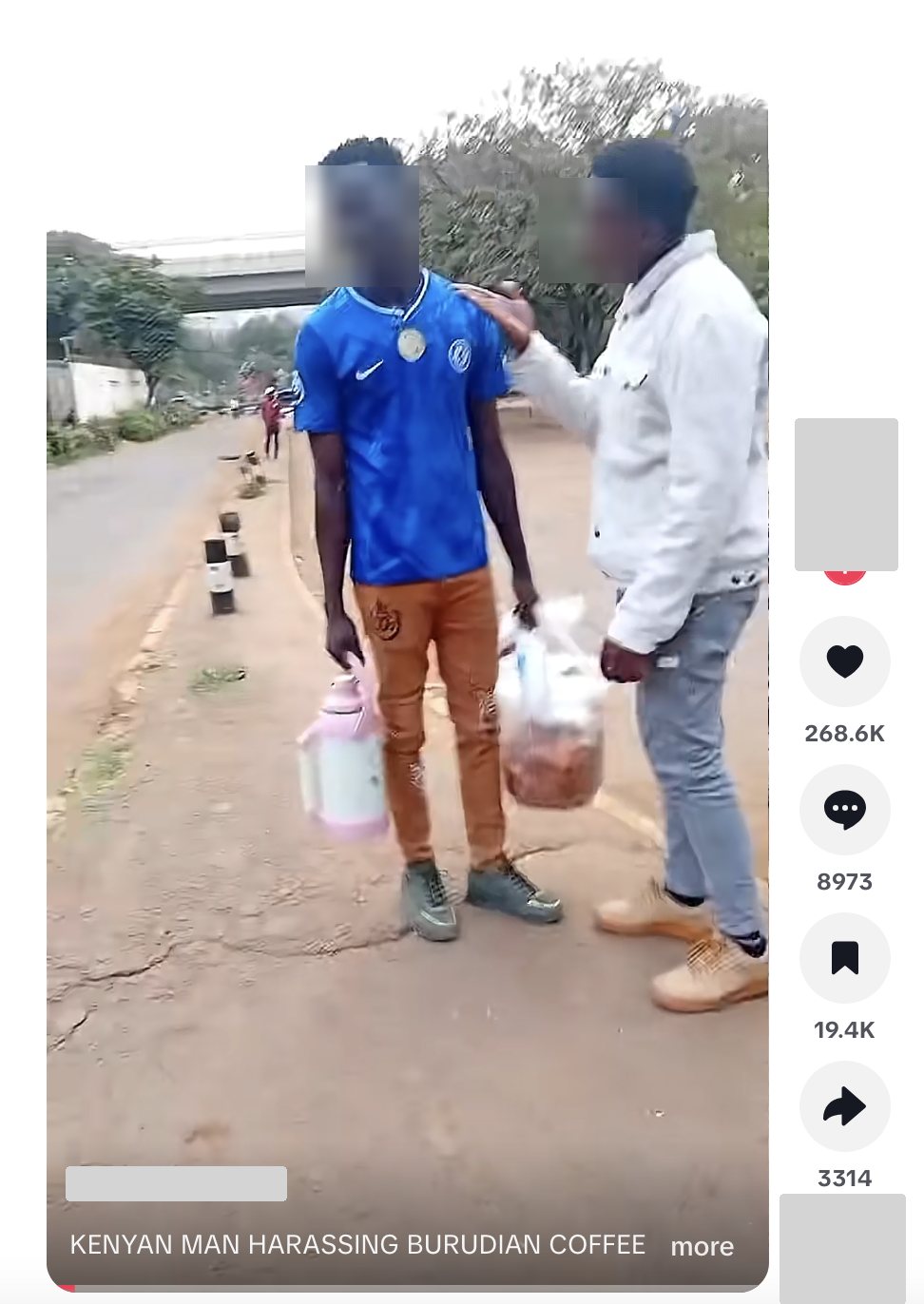
A video posted on 19 July 2026 by a TikTok creator was viewed more than 2.2 million times. It showed a Kenyan man publicly berating a Burundian coffee and mandazi vendor in Nairobi, accusing him of taking jobs and demanding his goods without paying.
The press treated it as a real incident, the first major public flashpoint, and Burundi’s ambassador Fred Ngoga responded on X, distancing the incident from majority Kenyan sentiment.
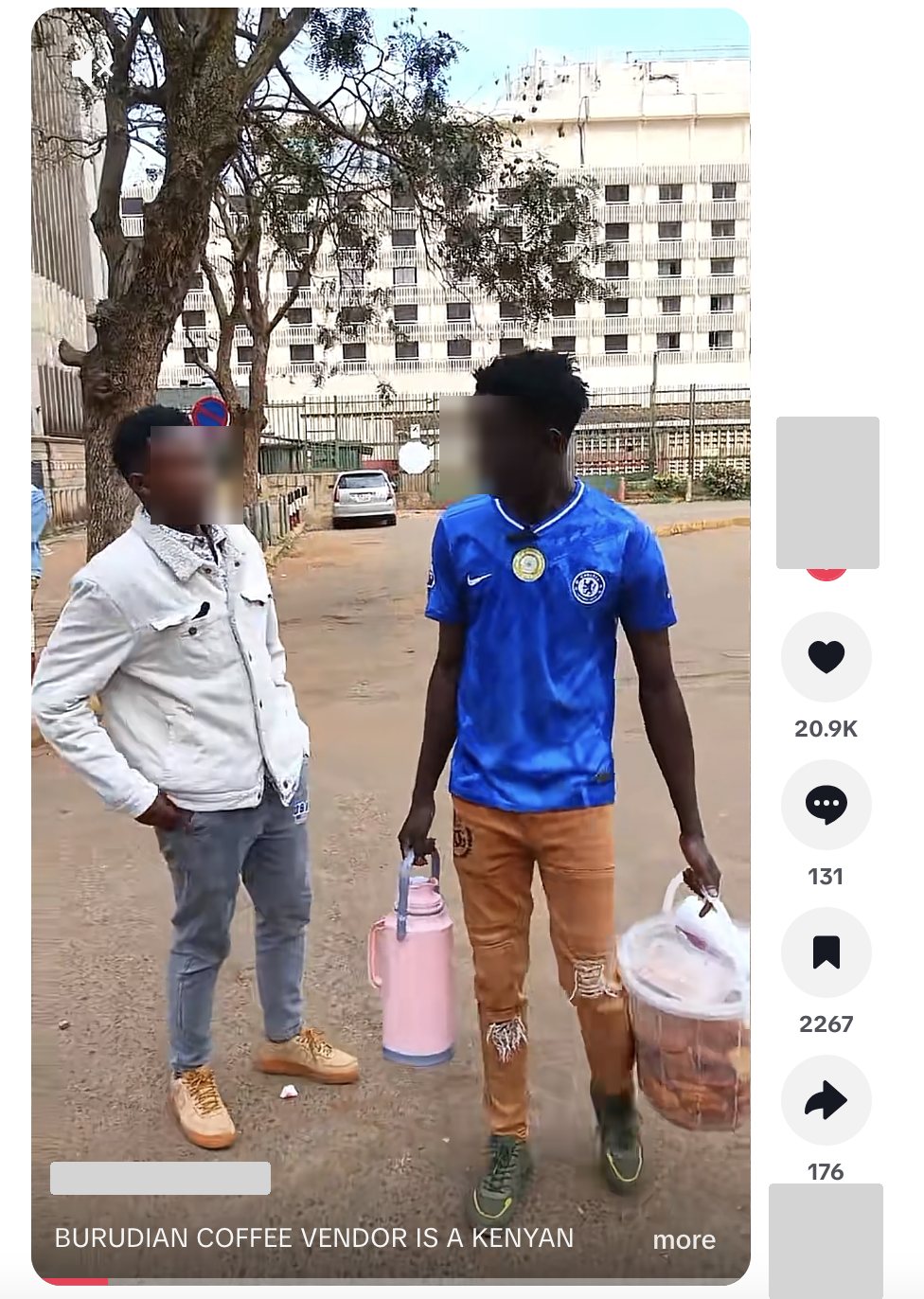
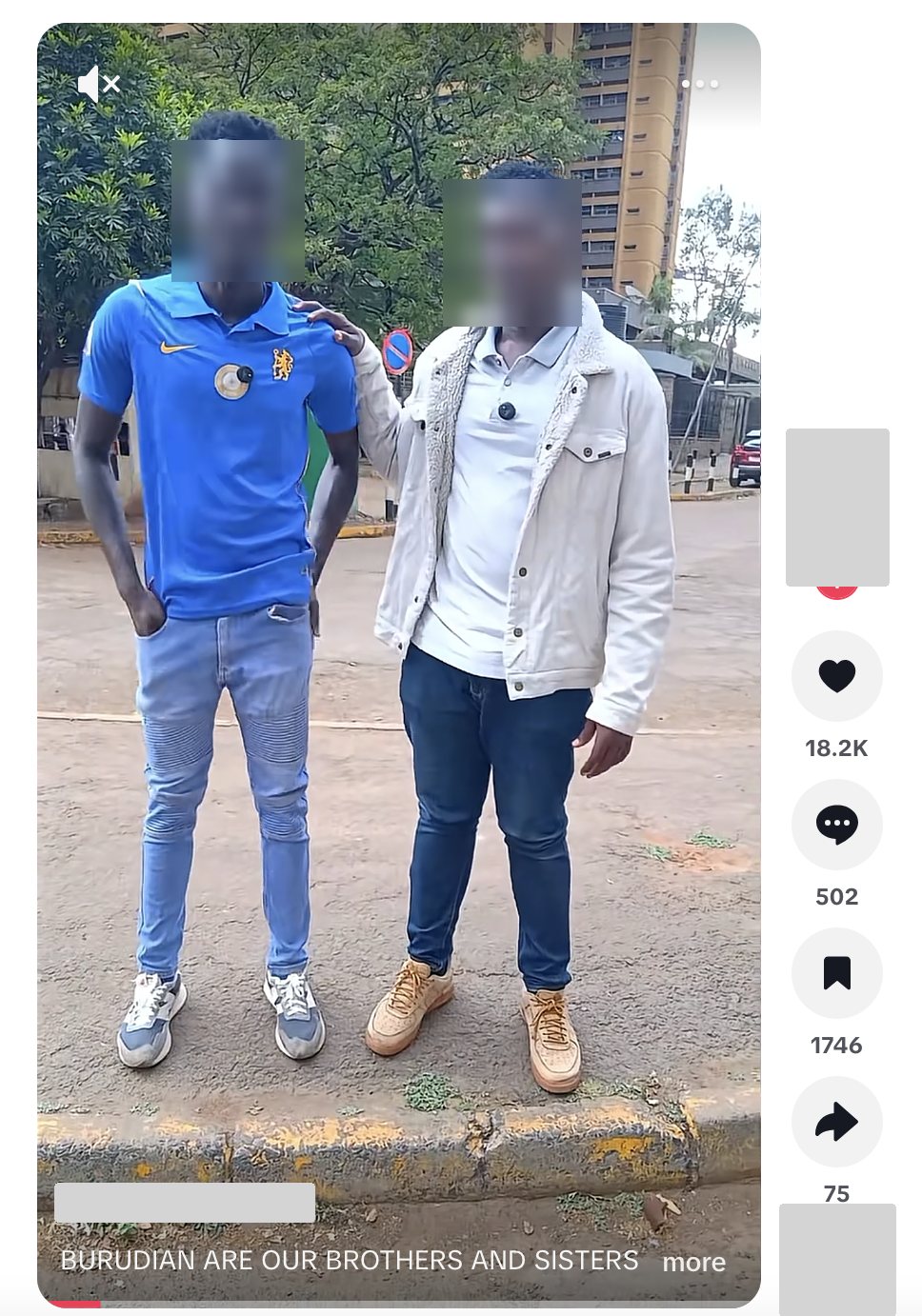
On 27 July the creator posted a follow-up revealing that the original was staged. That did not put the matter to rest: the video resurfaced after the President’s statements, and on 14 September the creators posted a video of the same characters, with the Kenyan man apologising to the Burundian man, captioned “Burundians are our brothers and sisters”.
“Satire mirrors human nature and societal absurdities: a piece of comedic content, created weeks before the political crisis even began, ended up shaping a real diplomatic response.”
From the report
The three videos, in order. The creator’s name, profile picture and the actors’ faces are hidden.
2 to 10 September
From panic to violence
What began as anxiety over the 7 September compliance deadline escalated, within a week, into confirmed violence, looting and displacement. Scroll through the week.
5 September: worry
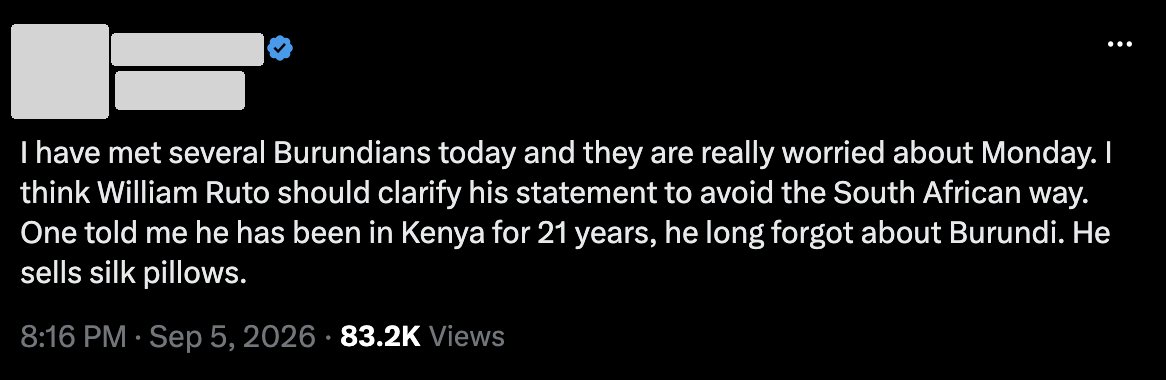
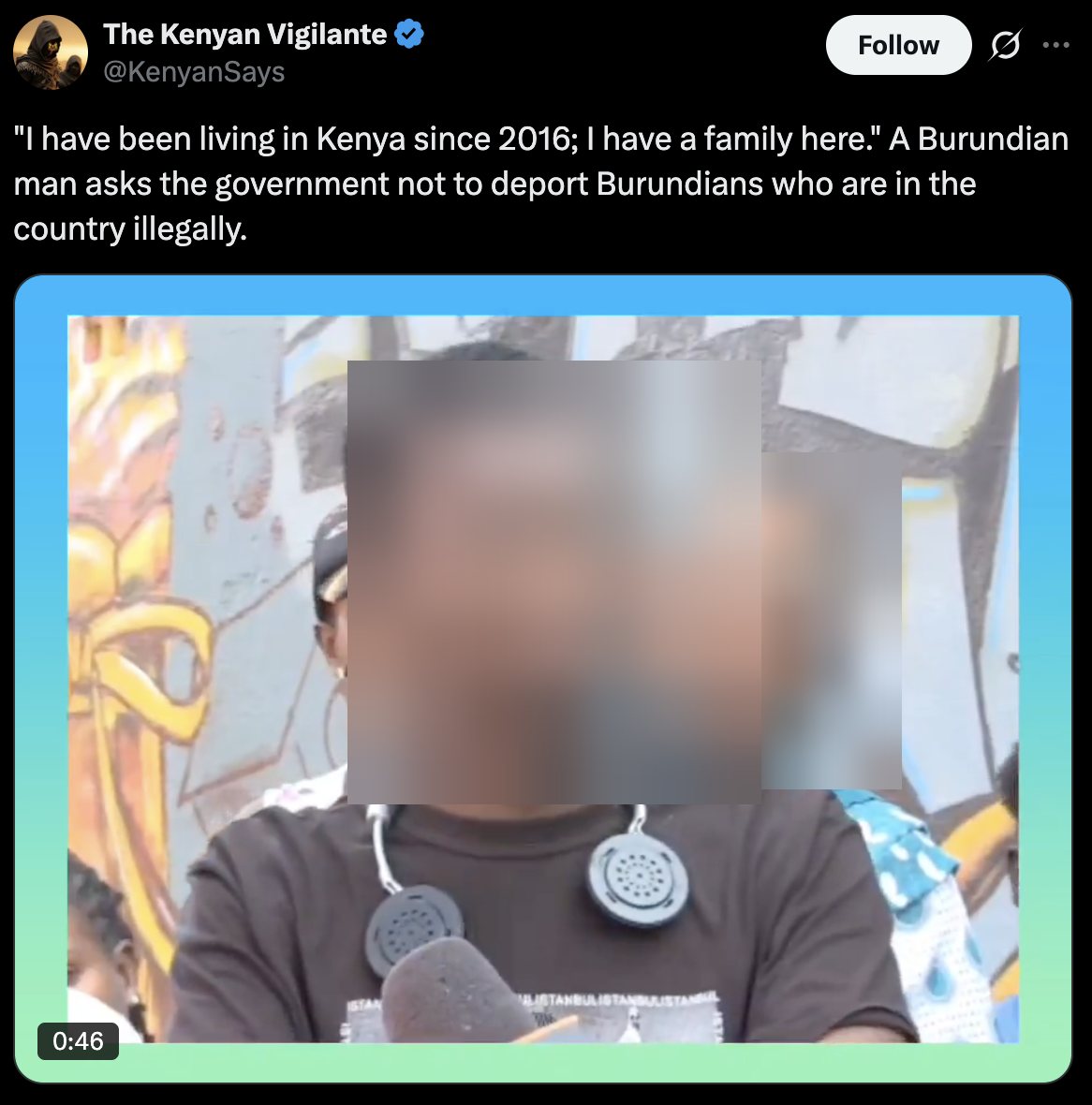
An X user wrote: “I have met several Burundians today and they are really worried about Monday [the 7 September deadline]… One told me he has been in Kenya for 21 years, he has long forgot about Burundi.” The same day a Burundian man pleaded: “I have been living in Kenya since 2016; I have a family here.”
6 September: a 24-hour ultimatum
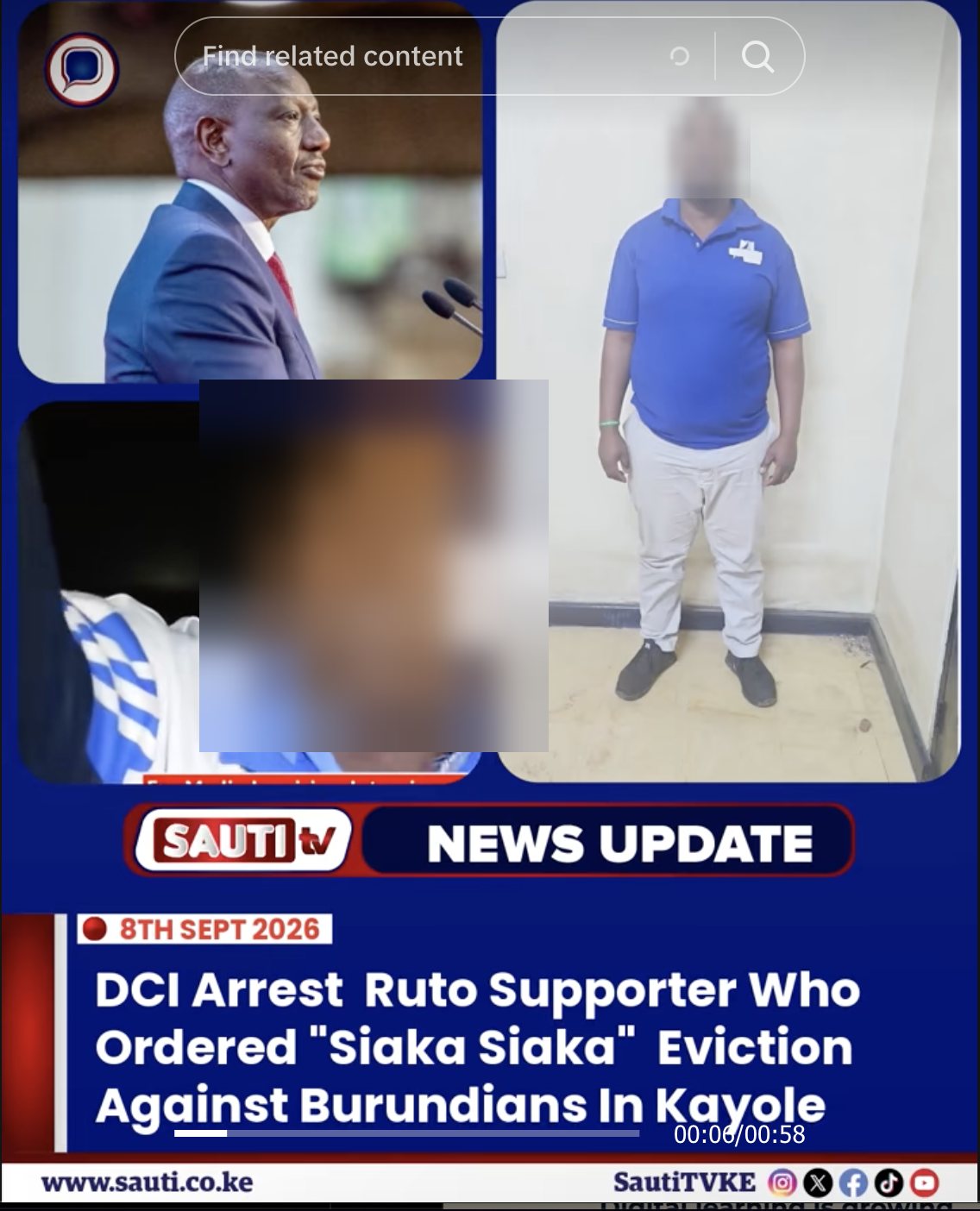
At a Bunge la Mwananchi event at Jacaranda Grounds, Kayole, a speaker accused Burundians of taking business opportunities, gave them 24 hours to leave the country and warned of “serious consequences” for those who stayed. The video circulated widely before his arrest by the DCI on 8 September. Unverified posts began alleging harassment, and vigilante groups reportedly threatened Burundians online.
7 September: the deadline
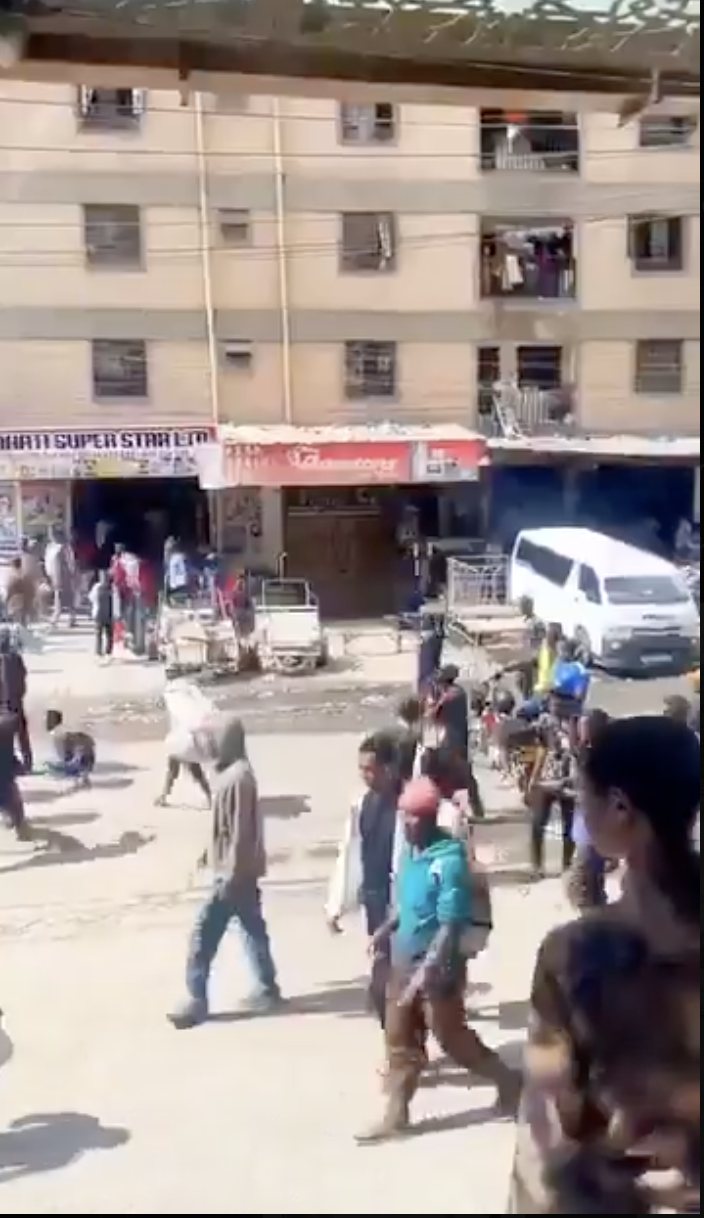
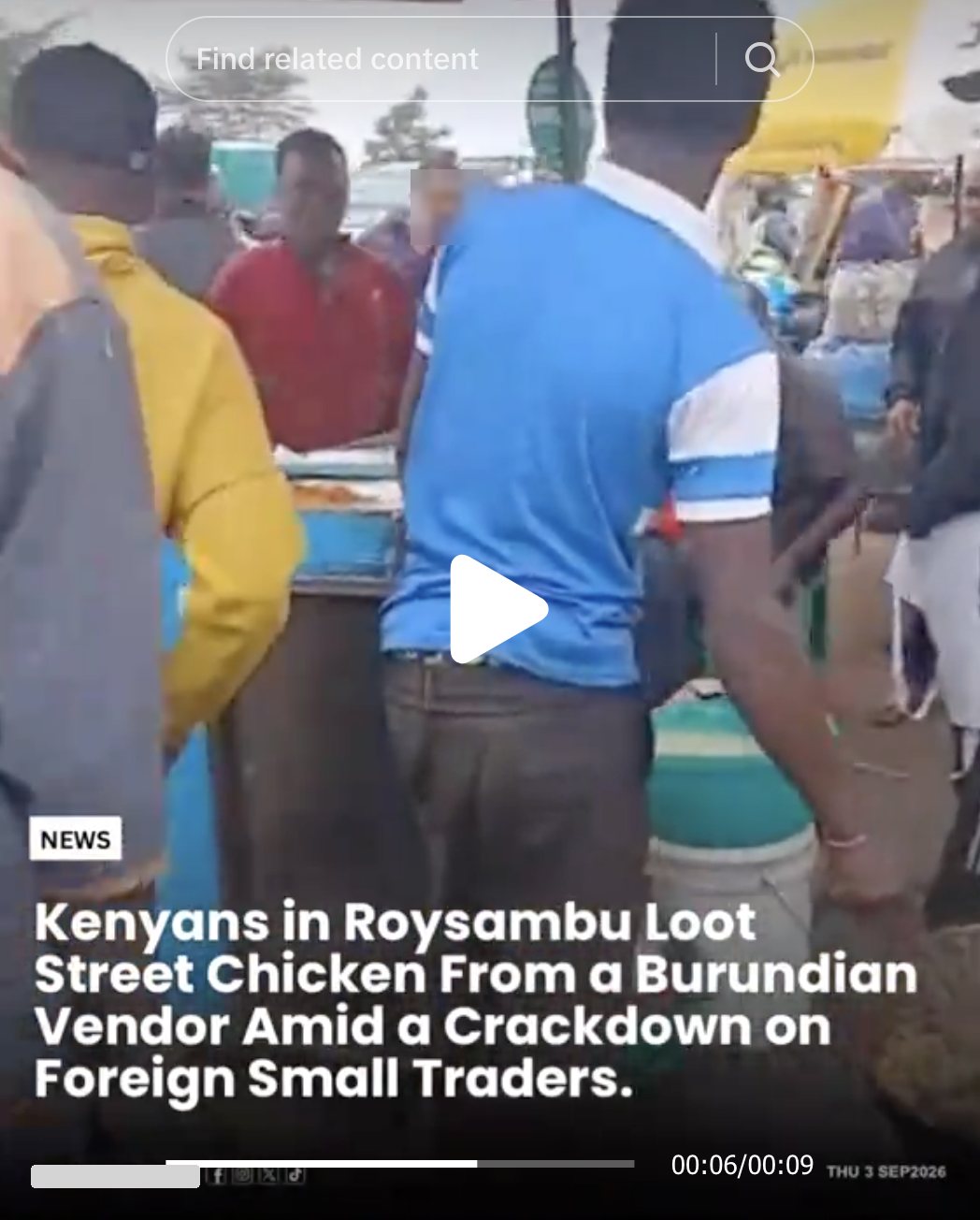
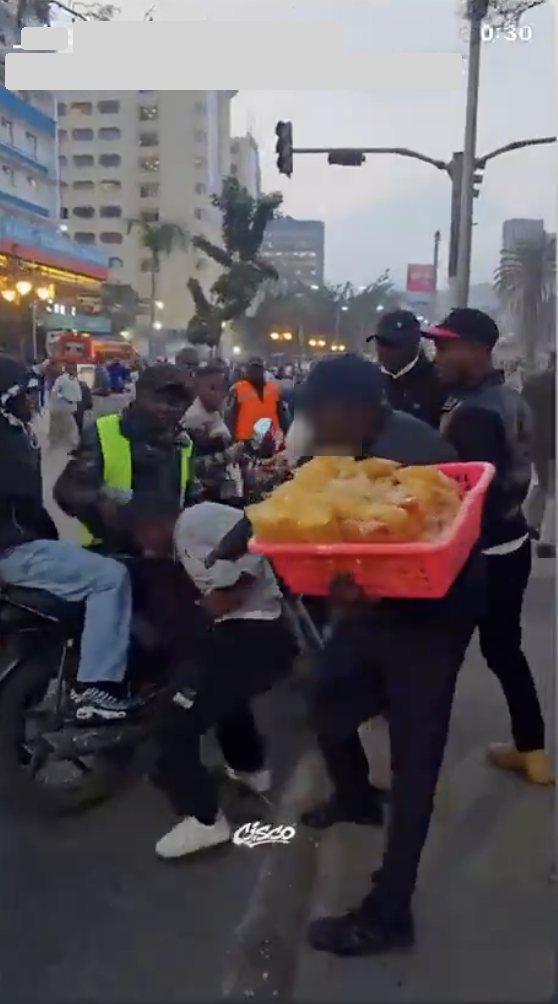
Confirmed incidents began on deadline day. In Eastleigh, a group chased away Ugandan, Burundian and Congolese casual laundry workers. In Githurai, a Burundian food vendor was attacked and his stock taken. In Nairobi’s CBD, a Burundian shopkeeper whose store was looted said: “I have lived with you for 10 years & this is how you pay me? You have taken everything, now I have nothing.”
8 September: Likoni
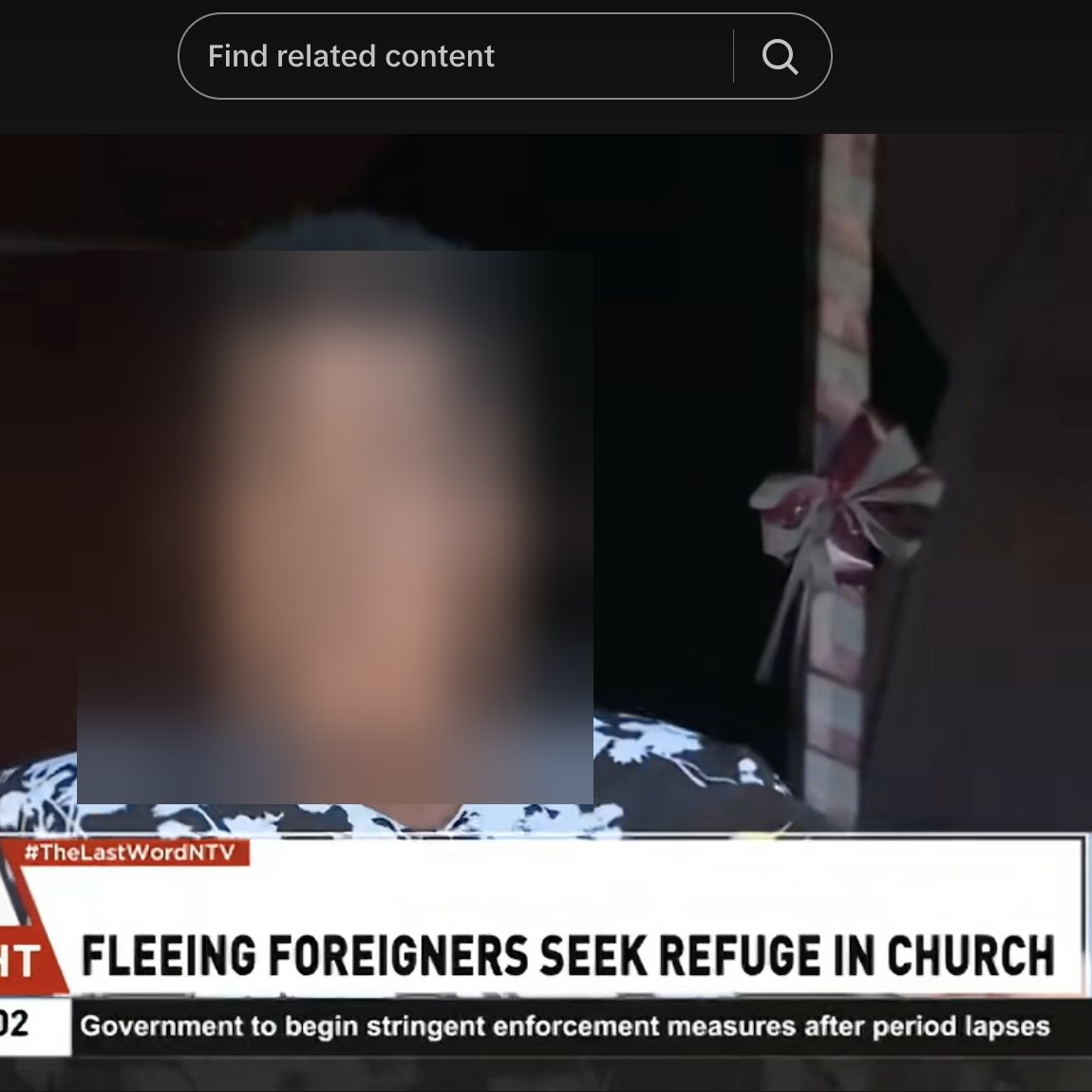
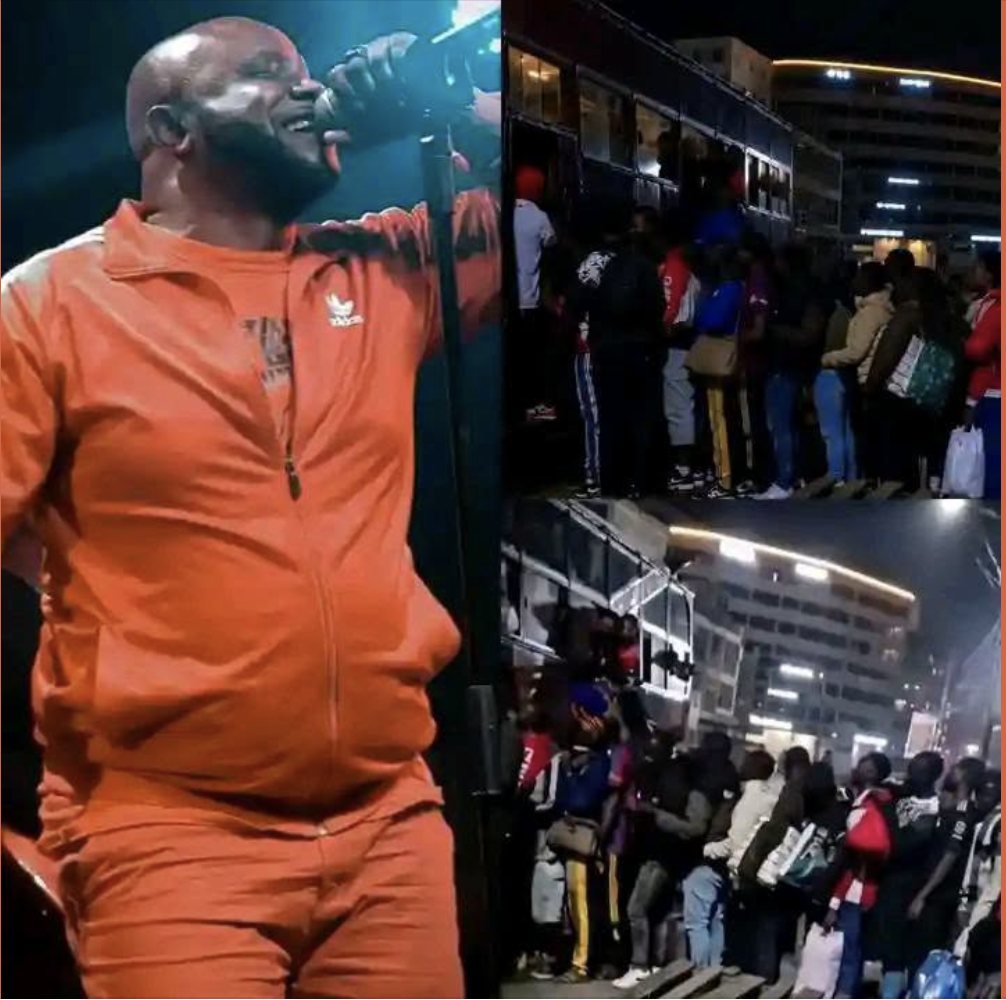
Citizen TV reported hundreds of Burundians sheltering in a church in Mombasa after being threatened in Likoni. One man told the station: “They told us to leave and go back to Burundi.” Hundreds queued at their embassy for emergency travel documents, and authorities arrested six suspects in connection with the Nairobi unrest.
9 September: blame turns inward
Several posts moved from condemning the attacks to blaming a specific Kenyan ethnic community or region for them. One named a community outright; a reply redirected the blame to another community. For some users, the violence against Burundians was being absorbed into existing inter-ethnic political narratives, a risk worth flagging separately from the Kenya and Burundi dynamic.
More posts from the week. Names and faces of private individuals are hidden.
The conspiracy
“Fake voters”: one claim, three versions
A YouTube video posted on 21 May 2026, “ANGRY Kenyans ATTACK Ugandans & Burundians Warning Them Against Trying to Vote RUTO in 2027”, shows the thread predates the crisis. On 7 and 8 September it came back in three contradictory versions. Posts by private users are quoted without their names.
Version A: they are already registered, and the crackdown is theatre
A Facebook post shared across several groups (8 September): “Burundians already have Kenyan IDs and are registered to vote. This guy [Ruto] is pretending to chase them out now so that next year, if accused of foreigners voting [for him], he can say ‘we already expelled them long ago.’” Another user (7 September): “WORK PERMITS YES, FAKE VOTERS NO.”
Version B: they refused to vote for him, so this is retaliation
An X user (7 September): “Ruto told Rwandans and Burundians to get votes [register for him], they refused, so he got angry and said they should leave Kenya!”
Version C: they are being sent home to come back with IDs
An X user (7 September): “Or is Ruto chasing these Burundians away so they go home, come back with their families, and he gives them IDs so they vote for him next year?”
“You’re saying Burundians are being given IDs to vote? … You interact with them as guards and hawkers – you think they’d vote how you want just because you gave them an ID? Not yet!”
An X user pushing back on the theory, 8 September
“Weren’t you just crying that these people are being given IDs to vote for Ruto? Now he says undocumented people should go home and you’re complaining again.”
A Facebook user mocking the claim, 7 September, which shows how established it already was
The government’s line
“This is not xenophobia”
Trade CS Lee Kinyanjui was the first official to issue a public clarification, on 6 September: visa-free entry does not amount to a work or business permit.
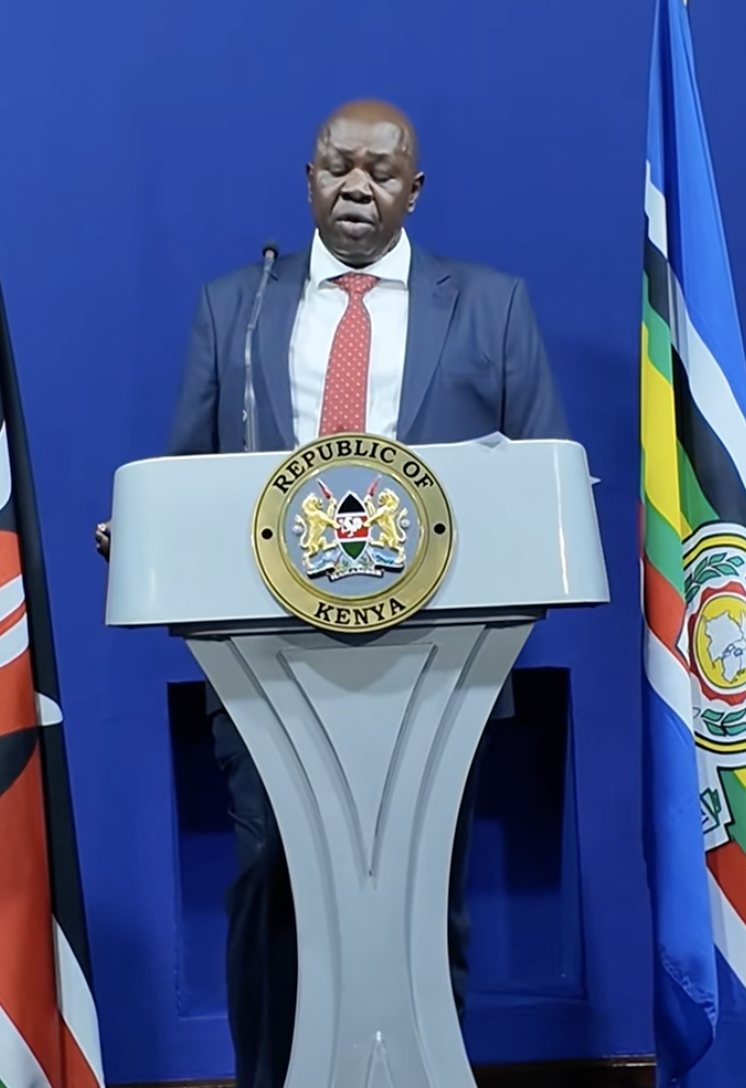
Government Spokesperson Charles Owino held a press briefing on 7 September, the deadline day, explicitly rejecting the xenophobia framing and announcing a documentation and registration window. The hashtag #ThisIsNotXenophobia circulated in connection with some of the government-aligned pushback.
Strategic adviser Fred Okango told People Daily: “We must not play politics with these issues, that the president is promoting xenophobia, and that’s what I see our critics are saying. He is not.” On 10 September, MP Beatrice Elachi backed the crackdown on local television: “My request is simple: every person living in this country should work the way a Kenyan works.”
Pushback
Kenyans reject xenophobia
Public figures, institutions and ordinary bystanders pushed back, in statements and in direct action.
“An attack on one community is a threat to the dignity of us all. Let Africa be home for Africans.”
Bien-Aimé Baraza of Sauti Sol
“They are not the cause of the high cost of living. The culprit is known to all of us.”
Former IEBC Commissioner Roselyn Akombe
Octopizzo and Kidum joined similar calls, and hashtags rejecting Afrophobia and asserting “we are not xenophobic” circulated widely. The East Africa Law Society affirmed Kenya’s right to regulate economic activity while stressing that this must be done within its constitutional and treaty obligations.
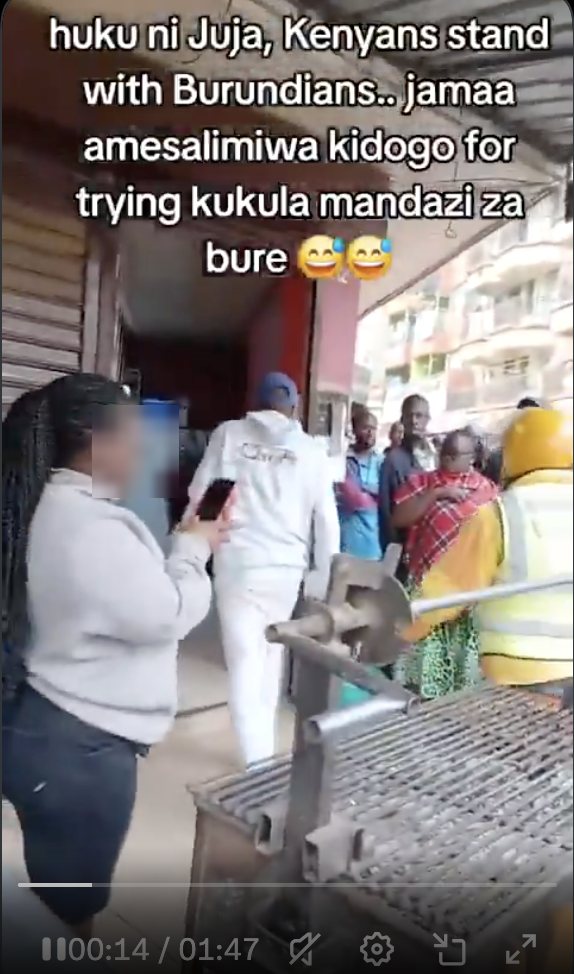
Solidarity also took the form of direct intervention. On 8 September in Juja, Kenyans stopped a man from attacking Burundian vendors. Two independent accounts on X confirm it; one read: “Kenyans stood with Burundians and stopped one man from attacking them. He came for their mandazi. Juja chose humanity.”
Full timeline
Eighteen months, step by step
16 March 2025
A TikTok comedy skit (2.7 million views) portrays Kenyans buying tea from Burundian vendors and not paying: an early example of the undertone around foreign traders.
21 May 2026
A YouTube video claims angry Kenyans warned Ugandans and Burundians against trying to vote for Ruto in 2027.
18 June 2026
MP Beatrice Elachi accuses employers of preferring Burundian construction labour because it is cheaper, and extends the complaint to informal trade.
19 July 2026
A TikTok creator posts a video of a Kenyan man harassing a Burundian vendor over “taking jobs” (2.2 million views).
23 July 2026
The press treats the video as a real incident; Burundi’s ambassador Fred Ngoga distances it from majority Kenyan sentiment.
27 July 2026
The creator posts a follow-up revealing that the original was staged.
28 August 2026
Small-scale traders protest a rise in KRA’s customs valuation benchmark; police use tear gas. Foreign traders are not cited as a grievance.
2 September 2026
President Ruto orders foreign-owned small businesses without permits to close by 7 September.
5 September 2026
Posts describe panic among Burundians ahead of the deadline.
6 September 2026
CS Lee Kinyanjui clarifies that visa-free entry is not a work permit; a speaker in Kayole gives Burundians 24 hours to leave.
7 September 2026
Government Spokesperson Charles Owino rejects the xenophobia framing; violence and looting in Eastleigh, Githurai and Nairobi’s CBD.
8 September 2026
The Kayole speaker is arrested by the DCI; Burundians shelter in a church in Mombasa; Kenyans in Juja stop an attack on Burundian vendors.
9 September 2026
Posts blame specific Kenyan communities for the violence.
10 September 2026
MP Beatrice Elachi backs the crackdown on local television.
14 September 2026
The skit’s creators post an apology video: “Burundians are our brothers and sisters”.
How we did this
Data and method
This analysis used social media listening and mainstream media monitoring to scan emerging trends and narratives in the Kenyan information environment, focusing on content published in English, Kiswahili and Sheng between 2 and 10 September 2026.
The team used Phoenix, a social media monitoring tool, which tracks mentions of specific keywords and individuals across Facebook, TikTok and X, with Boolean search queries such as: (Burundians OR Burundi) AND (illegal foreigners Burundians OR “Wezi wa kazi” Burundi OR Waburundi mtoke OR go back to Burundi OR “Kenya sio choo” OR “waburundi warudi kwao” OR #ThisIsNotXenophobia OR Xenophobia Burundians OR Kenyans Burundians). The general query was used for an initial search and then refined for more specific searches.
Although the search aims to capture a broad range of relevant content, posts that do not match the selected terms may be missed, and the terms may be affected by variations in language use, slang or evolving terminology.
The analysis relies on publicly available information on social media platforms, may miss data from private accounts or restricted platforms, and cannot verify information shown on profiles, such as location, gender or identity.
Names, handles and profile pictures of private social media users are hidden in the screenshots and left out of the text, and the faces of private individuals, including victims and bystanders in videos, are blurred. Politicians, officials, public figures and media outlets are named.
Read the full report
Download the complete analysis as a PDF, with every finding, the screenshots behind them and the method. Private users are anonymised in the PDF too.
Keep reading
Other stories you might like
Special reports
How the NCIC is discussed online
Social media analysis · Special report How the NCIC is discussed online Kenya’s cohesion commission was in the news almost every week between May…
Read more
Special reports
How the IEBC is discussed online
Social media analysis · Special report How the IEBC is discussed online Most posts about Kenya’s electoral commission simply reported what it was doing.…
Read more
Monthly reports
Kenya’s election conversation online, July to October 2026
Social media analysis · Monthly report Kenya’s election conversation online From July to early October 2026, violence at political meetings, ethnic hate speech, attacks…
Read more