
Deliberative conversation · Phase 2 · October to November 2025
Top issues facing youth in Kenya
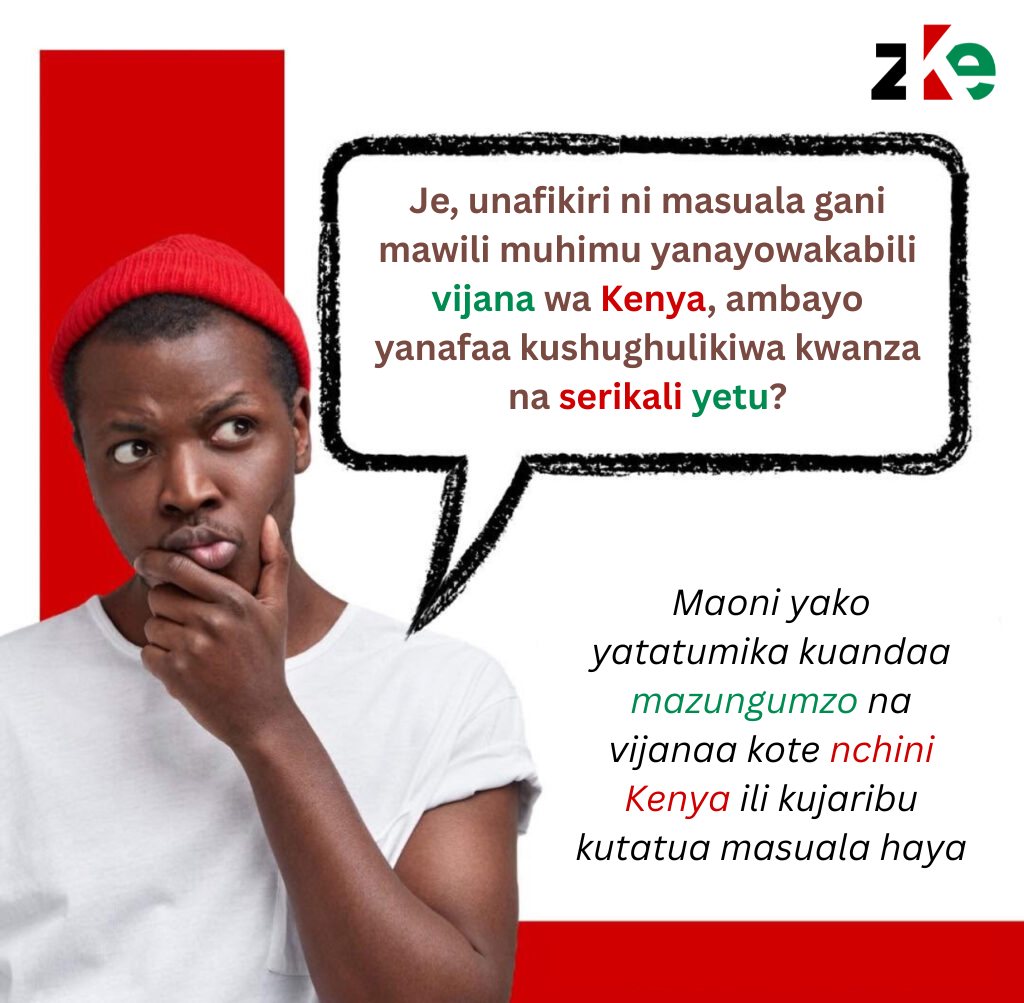
“What do you think are the top issues facing Kenyan youth today that need to be addressed first?” Instead of choosing topics for young people, zKe asked them what matters most where they live.
When8 October to 13 November 2025
WhereIsiolo, Kisumu, Mombasa, Nairobi and Turkana
ToolsYouth barazas, WhatsApp bot, Talk to the City
At a glance
Phase 2 began by listening
585
young people at in-person youth barazas in five counties
42
county officials and duty bearers came to listen
5
Talk to the City reports, one per county
1 million+
views of zKe videos and posts on TikTok and Facebook, October to December 2025
Youth baraza participants by county
Source: zKe monthly report, November 2025.
How it worked
From county barazas to national conversations
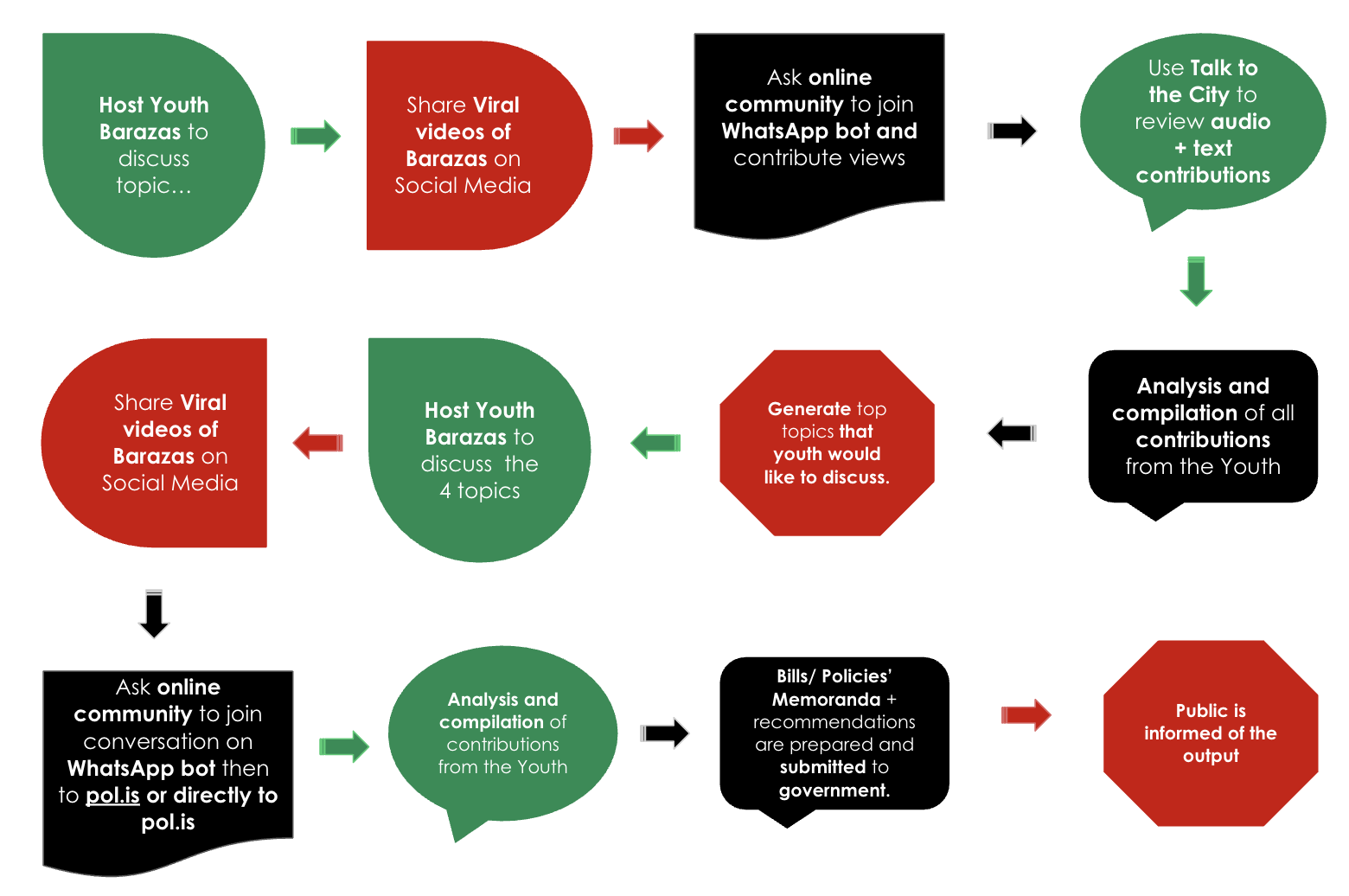
1. Youth barazas
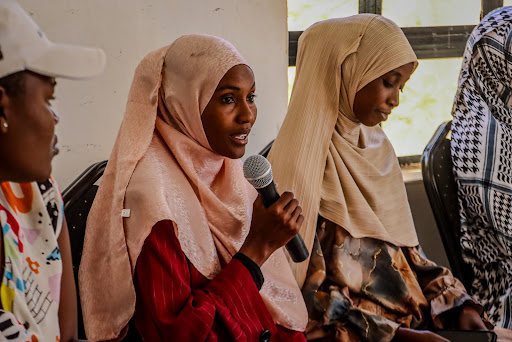
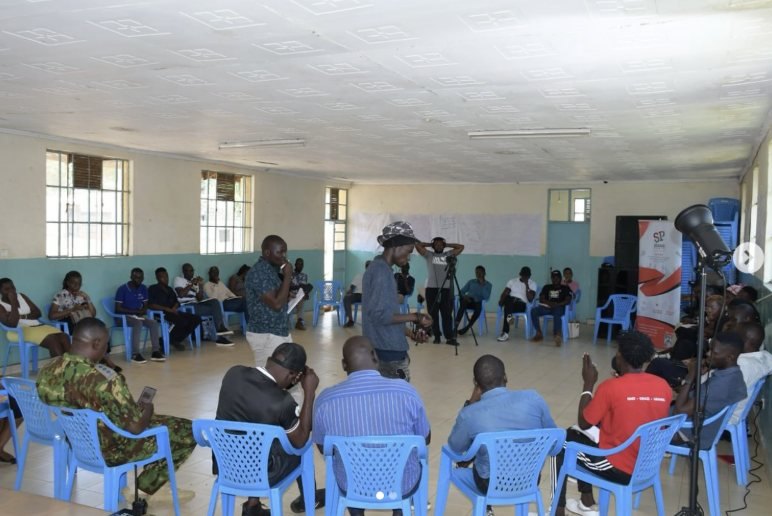
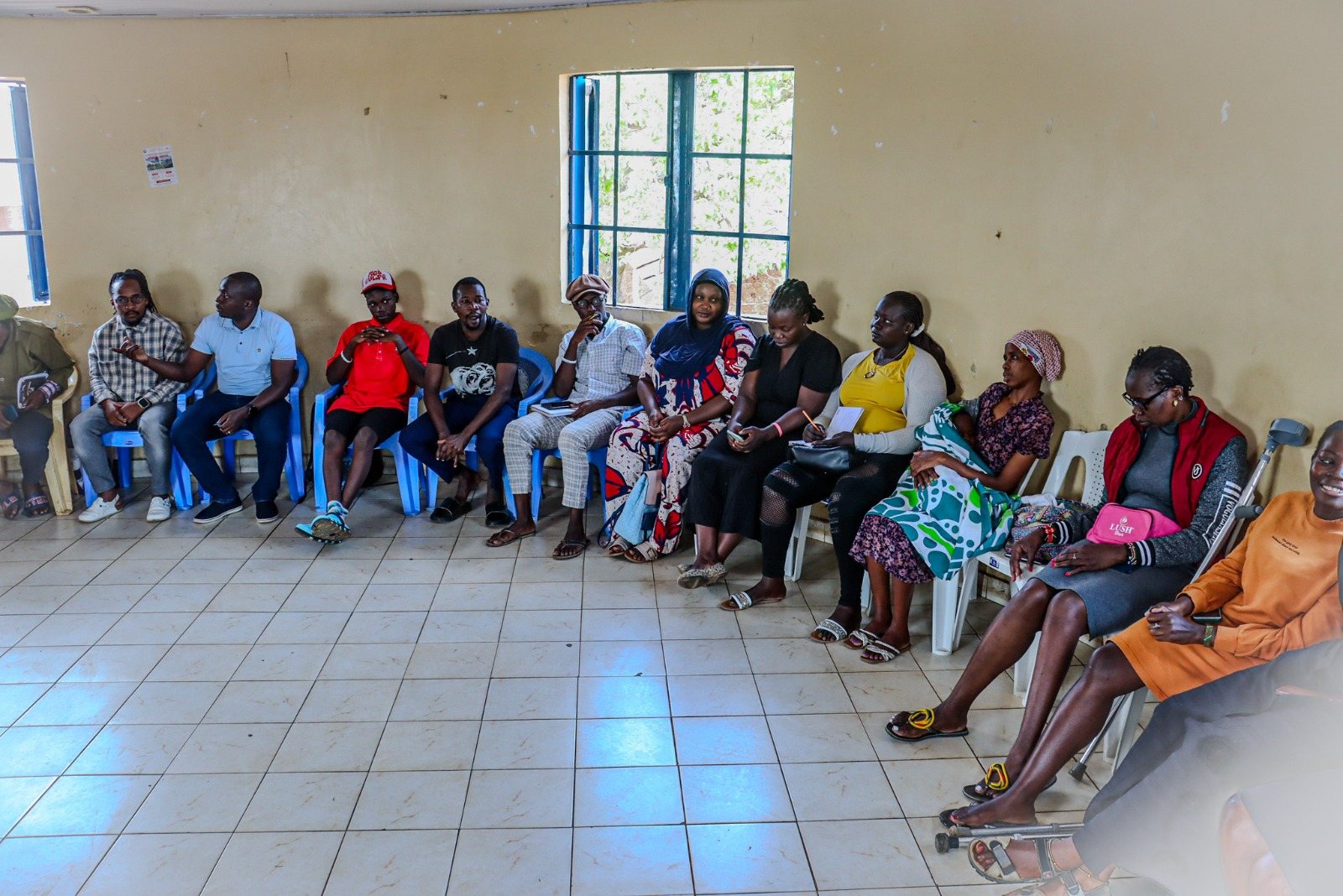
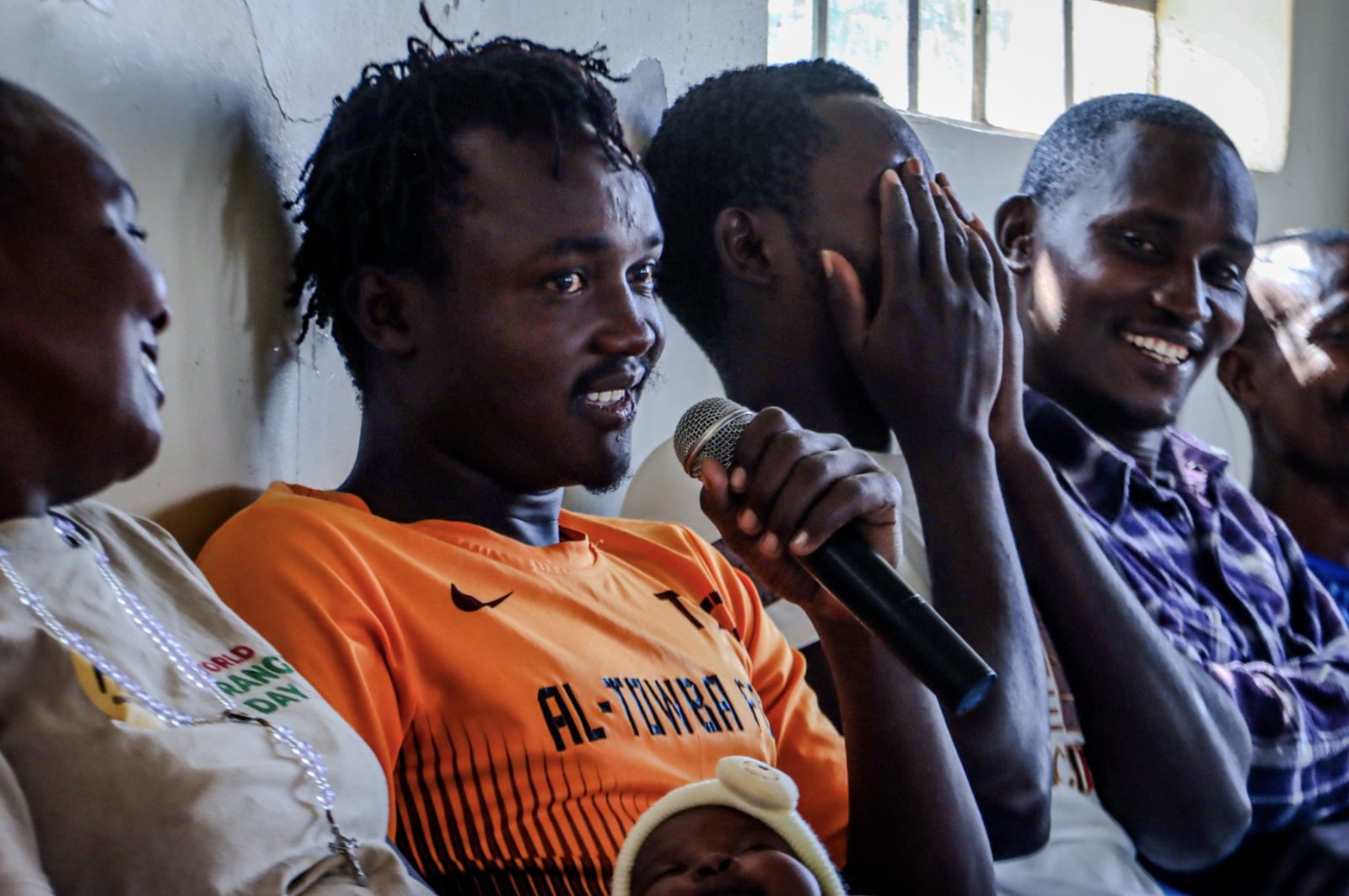
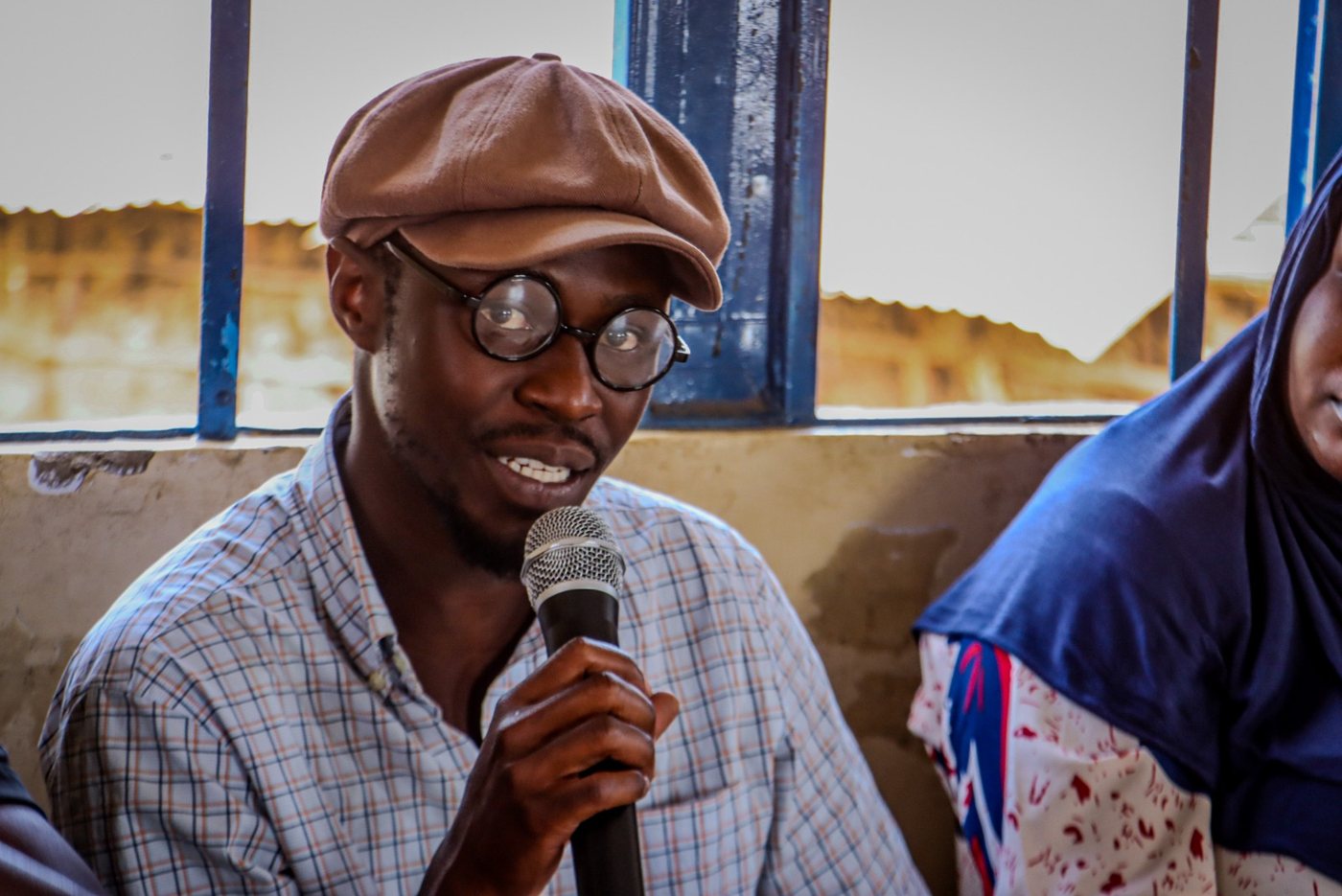
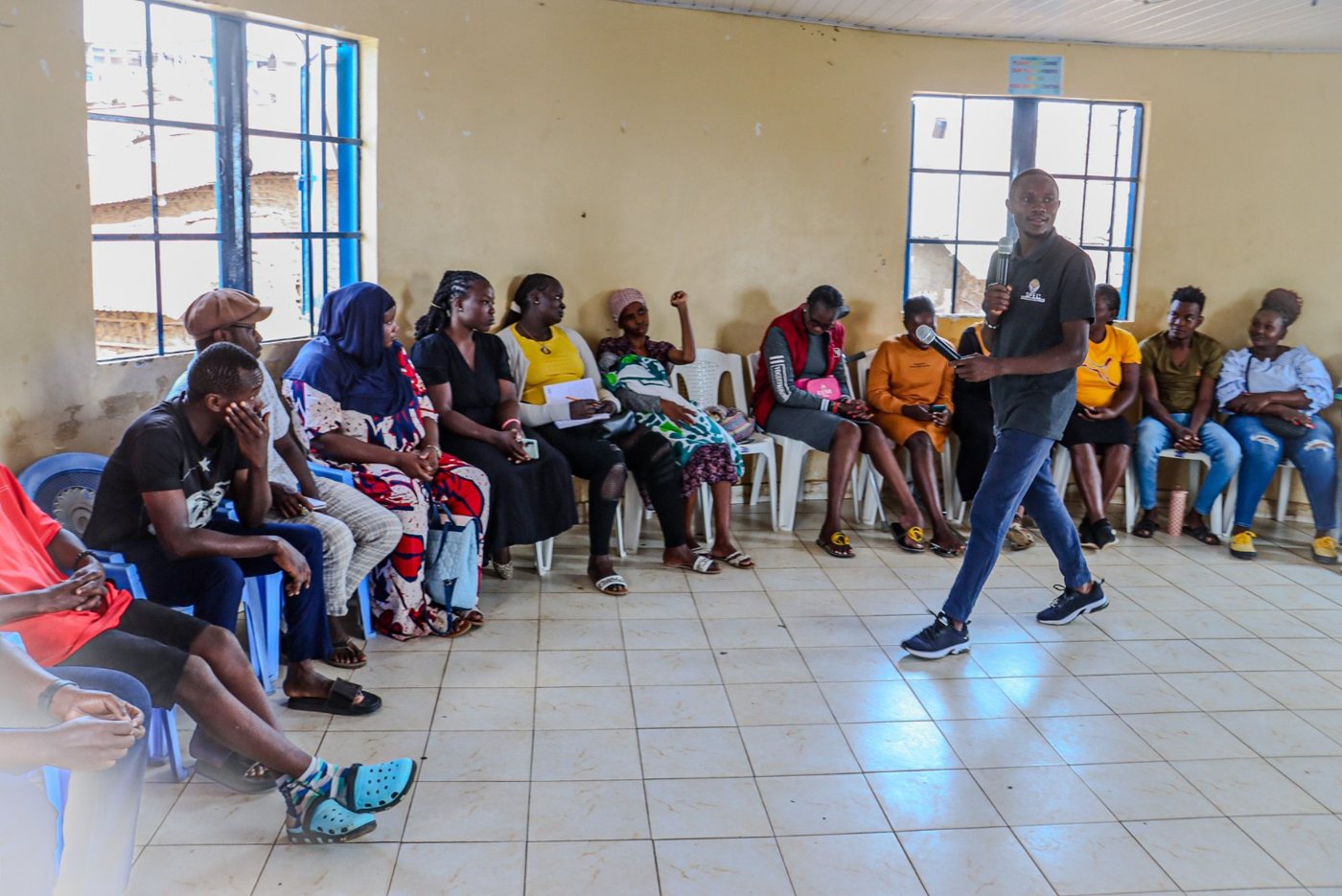
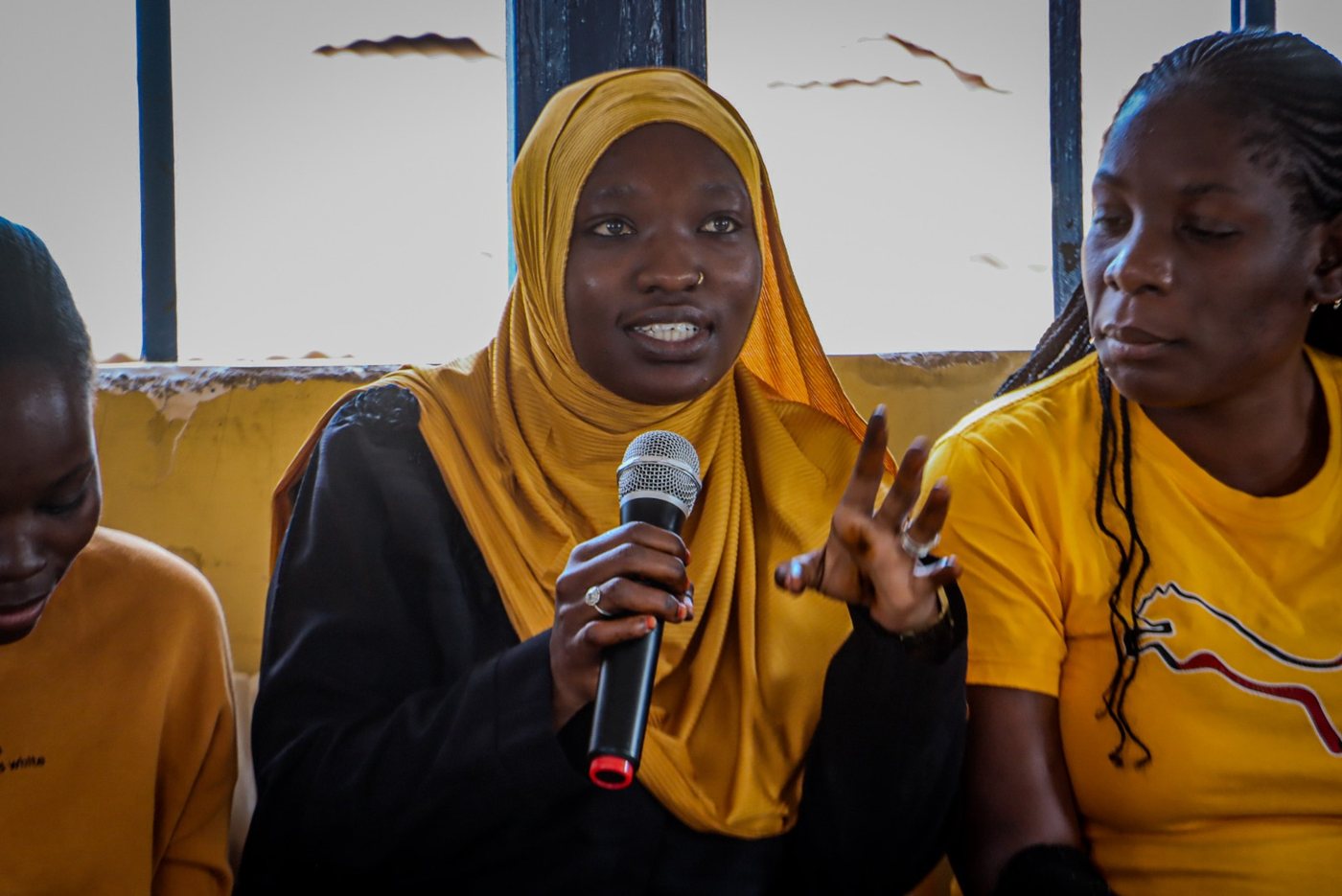
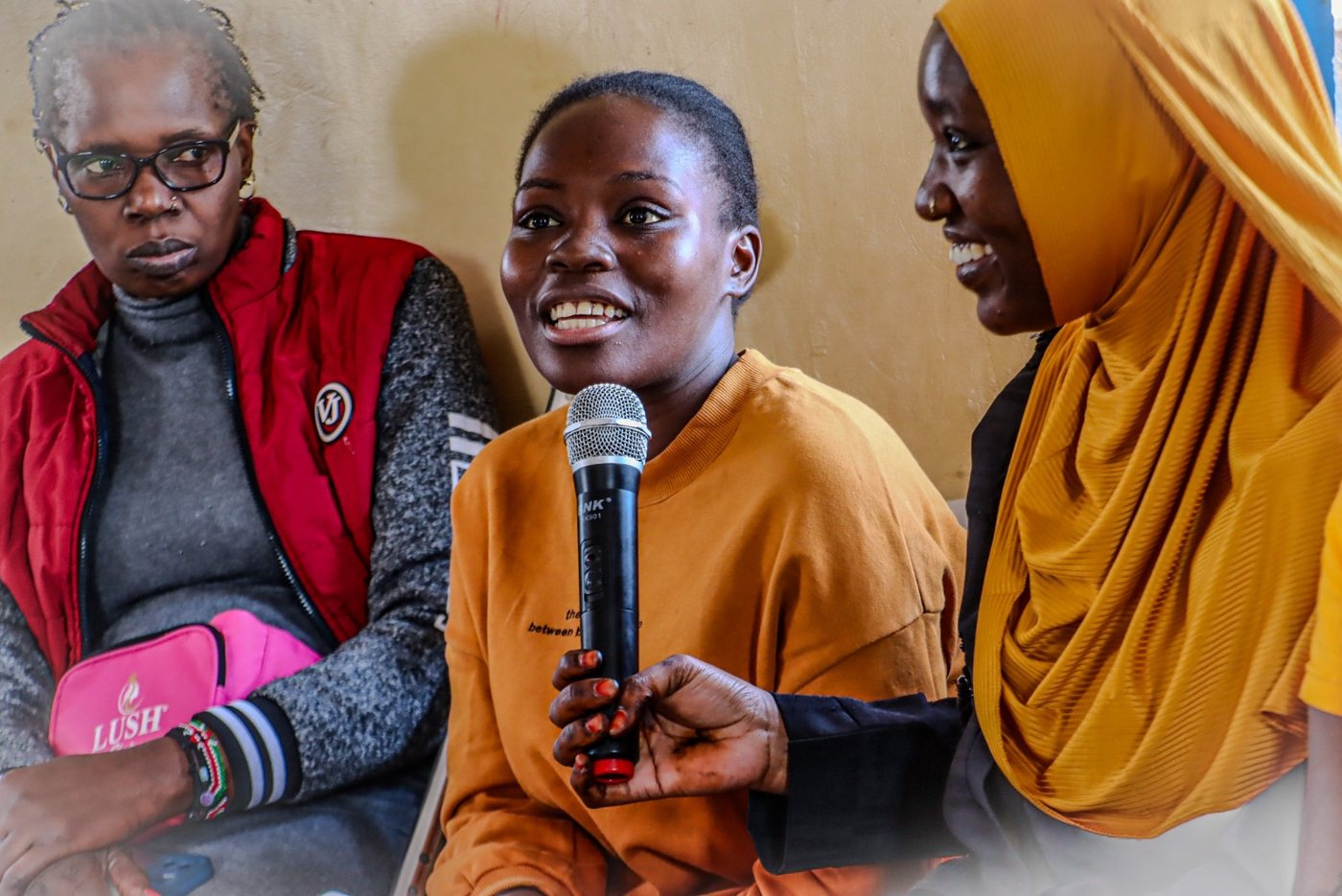
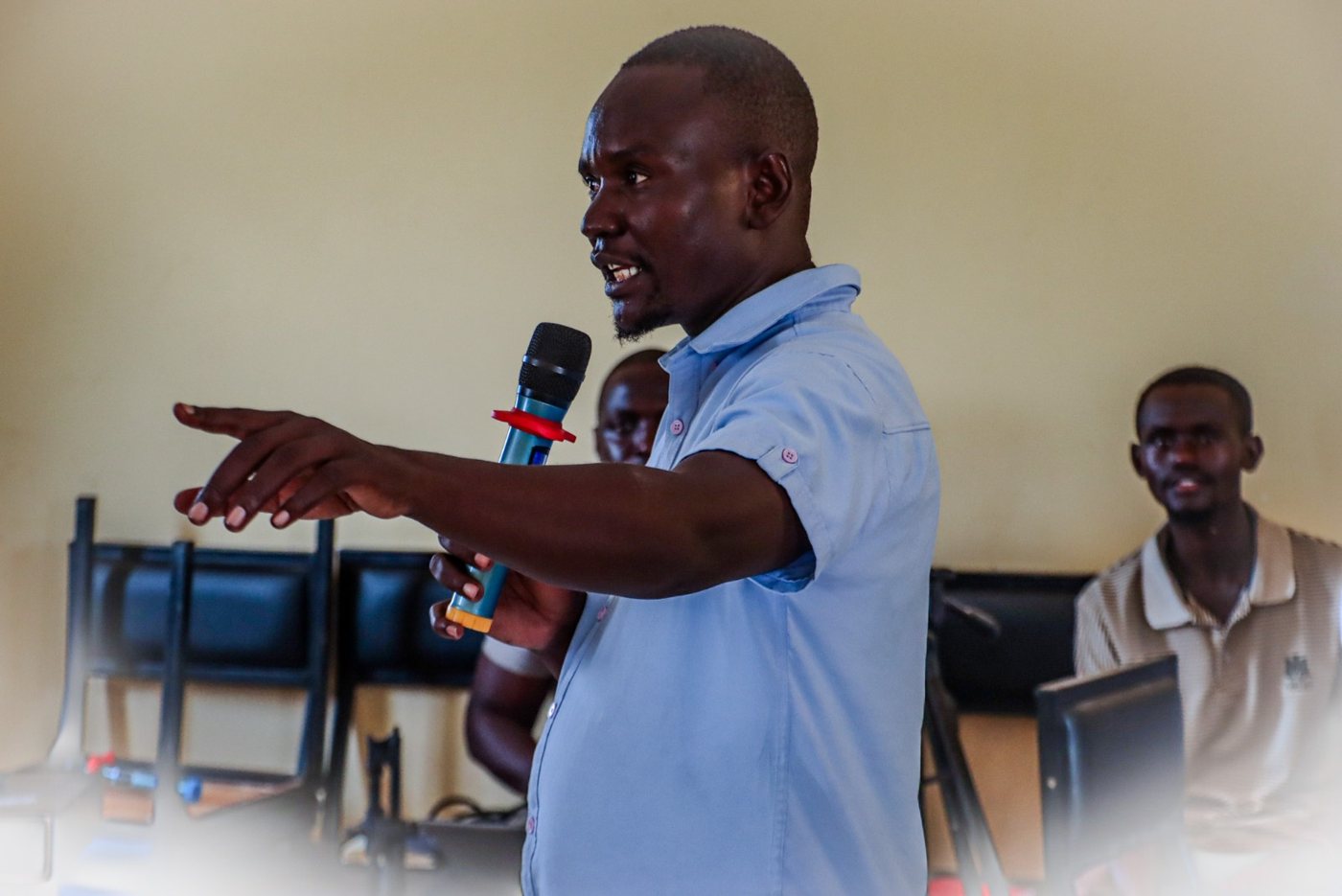
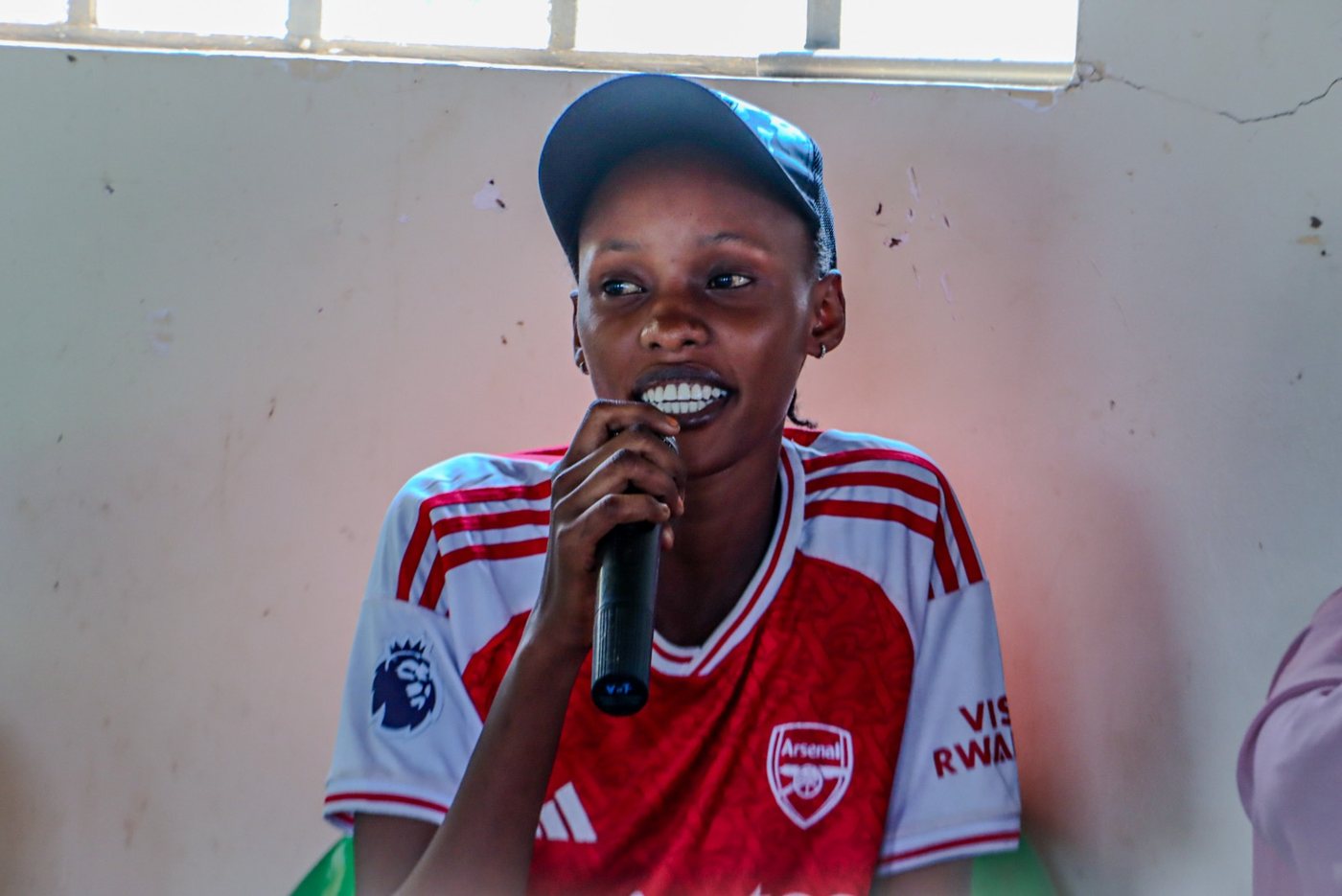
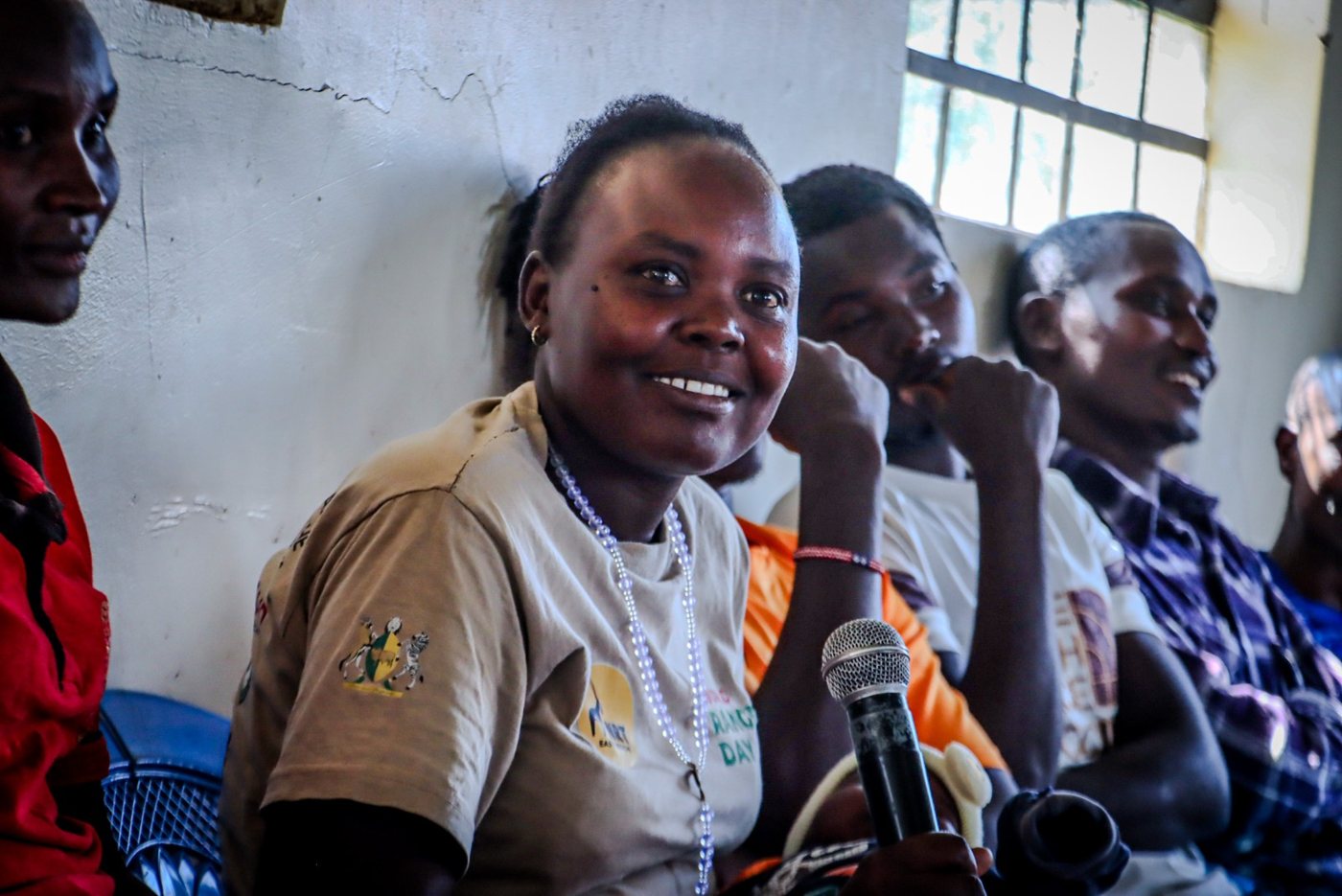
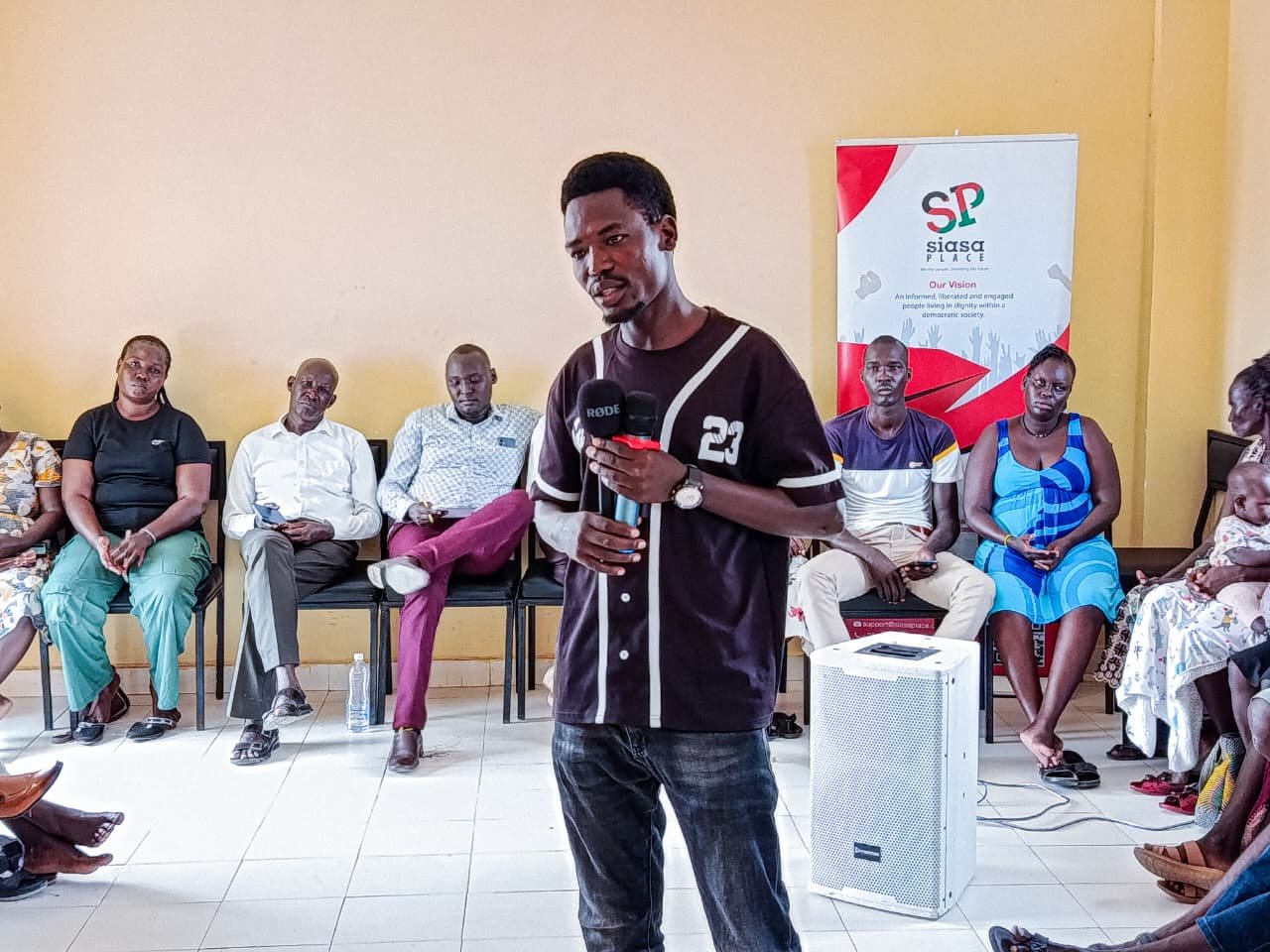
zKe hosted a youth baraza (town hall) in each county to discuss the issues affecting young people.
2. Shared online
Videos from the barazas were shared on social media, and young people online added their views through the zKe WhatsApp bot.
3. Talk to the City
Talk to the City, an open-source AI tool that summarises large discussions while keeping individual voices, reviewed the audio and text from each county.
4. Compared across counties
The top topics in each county were identified and compared. Topics that came up in several counties moved to a national conversation.
5. National conversations
On pol.is, young people proposed solutions and voted on each other’s ideas. The results become recommendations for government, shared back with the public.
What each county told us
Five counties, five sets of priorities
Issues ranked by how many people raised them in the Talk to the City analysis. Each county’s full report is linked.
Town hall: 14 October 2025, Isiolo town. 110 participants.
Healthcare came out on top. Young people described poor hospital conditions, a lack of medication and too few health facilities. They said corruption and mismanagement by the local government made it hard to get essential services, and that youth are left out of public participation. Roads that cut off services in the rainy season, a lack of jobs and drug abuse were also raised.
Healthcare services
Raised most often
Local governance
Corruption and mismanagement
Public participation
Youth left out
Infrastructure
Roads in the rainy season
Youth issues
Jobs and drug abuse
Town hall: 27 October 2025. 120 participants, with police and county officials from the ward administration office.
Young people saw poor infrastructure as the root of many other problems. Broken roads cause accidents and cut off help in emergencies; poor drainage spreads disease; and power cuts give cover to gangs. Healthcare, especially maternal health, unemployment and the barriers to self-employment were also raised.
Infrastructure
Roads, drainage and electricity
Youth issues
Jobs and self-employment
Education
Access to education
Health services
Especially maternal health
Agriculture
Town hall: 8 October 2025, with young people from the mainland and Mombasa island. 126 participants.
Unemployment topped the list. Young people said getting a job often depends on personal connections, and that gender discrimination in hiring leaves young women behind. They linked unemployment to crime, and raised corruption in services and the difficulty of getting an ID, with longer vetting for some communities.
Employment
Connections and discrimination in hiring
Access to services
Including ID registration
Community engagement
Government support
Corruption and access to funding
Entrepreneurship
Social issues
Town hall: 23 October 2025. 109 participants.
Getting a national ID card was by far the top issue. Participants described corruption and favouritism, bribes for faster processing, long waits, heavy paperwork and tougher vetting for some communities. Persons with disabilities said ID centres lack the facilities they need. Some felt the delays punish young people for the 2024 and 2025 protests, and worried the process could be used to manipulate the 2027 elections.
ID acquisition
Raised most often
Community development
Schools, public amenities and land rights
Healthcare access
Voter registration
Town hall: 13 November 2025, Lodwar town. 120 participants.
Healthcare was the biggest concern. Hospitals exist, young people said, but stock little beyond painkillers, and patients often have to pay before anyone attends to them. Roads and drains flood in the rainy season and spread waterborne disease. Insecurity, access to education, and water and sanitation were also raised.
Healthcare services
Raised most often
Infrastructure
Roads and drainage
Insecurity
Education access
Water and sanitation
Issues that came up across counties
Healthcare first
Number of counties (of five) where each issue was raised
Source: Talk to the City reports for each county, October to December 2025. Education includes school facilities in Nairobi.
Healthcare was raised in four of the five counties (Isiolo, Kisumu, Nairobi and Turkana), so it became the first national conversation. Getting an ID came up in only two counties, but it was chosen second because it was being debated across the country. Most other issues were about public services, which the leaders young people elect decide how to run and fund, so the third conversation asked what would get more young people registered to vote.
In their own words
What young people said in the barazas
“Lack of power connection has been a major cry from the residents, because it often leads to insecurity.”
Youth baraza participant, Kisumu
“The problem is that the doctors in public hospitals are few and some often don’t go to work.”
Youth baraza participant, Turkana
“Differently abled youths have a lot of difficulty in finding employment, yet some of us are highly educated.”
Youth baraza participant, Mombasa
“Early teenage pregnancy is leading to a lot of girls in my county dropping out of school.”
Youth baraza participant, Isiolo
Swipe or scroll sideways to see the barazas. Tap a photo to enlarge it.
Who listened
42 officials heard young people directly
zKe invited county officials and other duty bearers to the barazas so they could hear from young people and commit to following up through county structures.
Isiolo
Chiefs and senior chiefs, assistant county commissioners, sub-area officers, an MCA representative, an MCA’s personal assistant and a ward administration representative
Kisumu
An IEBC representative, ward administrators, a ward manager, a chief, a constituency manager, the county director of education, a sub-county fisheries officer and the OCS
Mombasa
Registrars of Persons, chiefs, a ward manager, a CDF representative, and personal assistants from the offices of the MCA and MP
Nairobi
A chief, ward administrators, a clerk and a youth officer
Turkana
A chief, a senior chief, ward administrators, village administrators and a youth leader
What happened next
Three national conversations
What did young people propose?
See the solutions young people agreed on in the first national conversation of Phase 2, on healthcare.
Keep reading
More conversations
October 30, 2026
How to reduce unemployment in Kisumu County
Deliberative conversation · Open now · October 2026 How to reduce unemployment in Kisumu County “What actions do you think Kisumu County government should…
Read more
October 28, 2026
Livestreaming the 2027 election results
Deliberative conversation · Open now · October 2026 Should IEBC continue livestreaming election results? “Should results from every polling station be livestreamed in the…
Read more
October 23, 2026
Solutions to flooding in Nairobi
Deliberative conversation · Open now · October 2026 Solutions to flooding in Nairobi “To stop Nairobi’s recurrent flooding, what priority step or rule should…
Read more